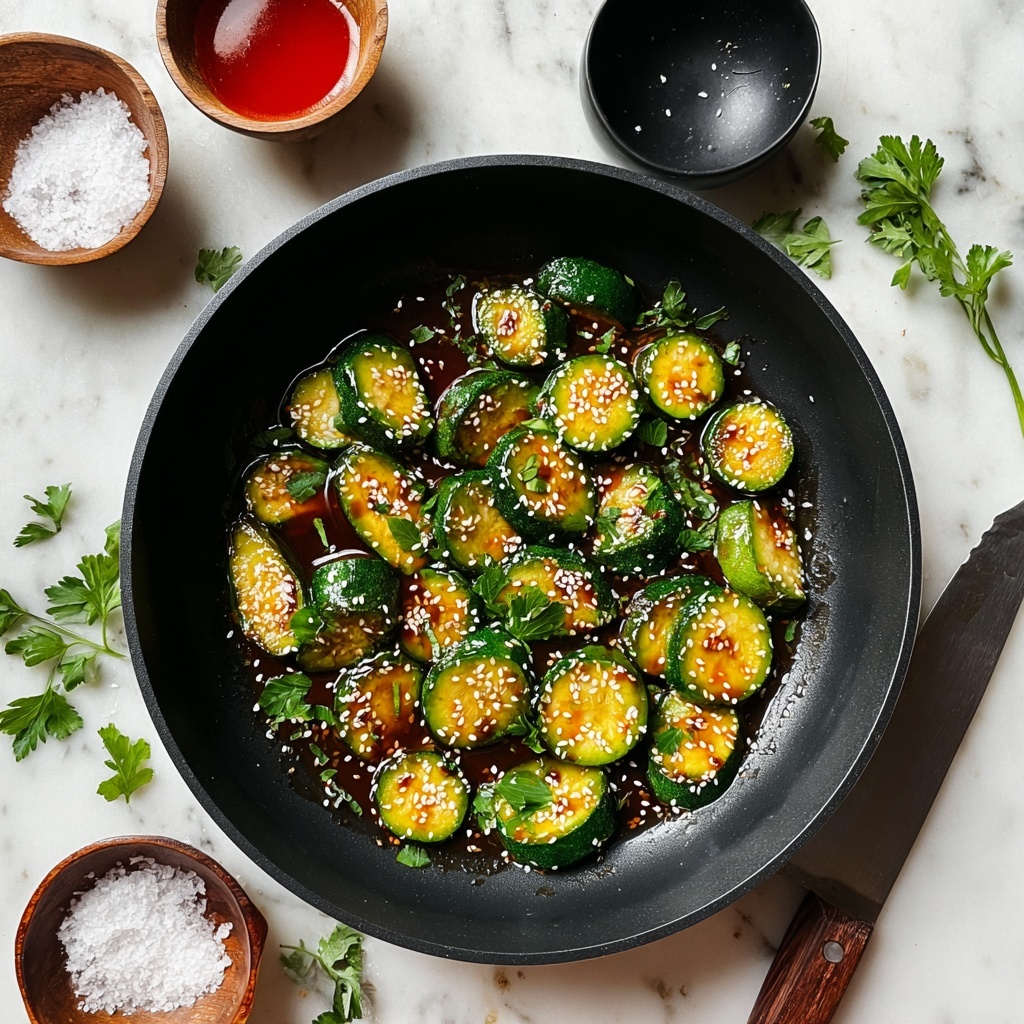
If you love the sizzling excitement and bold flavors of a Japanese steakhouse, then you are going to adore this Japanese Steakhouse Hibachi Zucchini Recipe. It’s a simple, vibrant dish that perfectly balances tender zucchini with the rich, buttery goodness and just a hint of heat. Whether you’re looking to add a quick side to your dinner table or a delicious vegetable highlight, this recipe hits all the right notes with minimal fuss, making it a true keeper for home cooks who crave that authentic hibachi experience right at home.
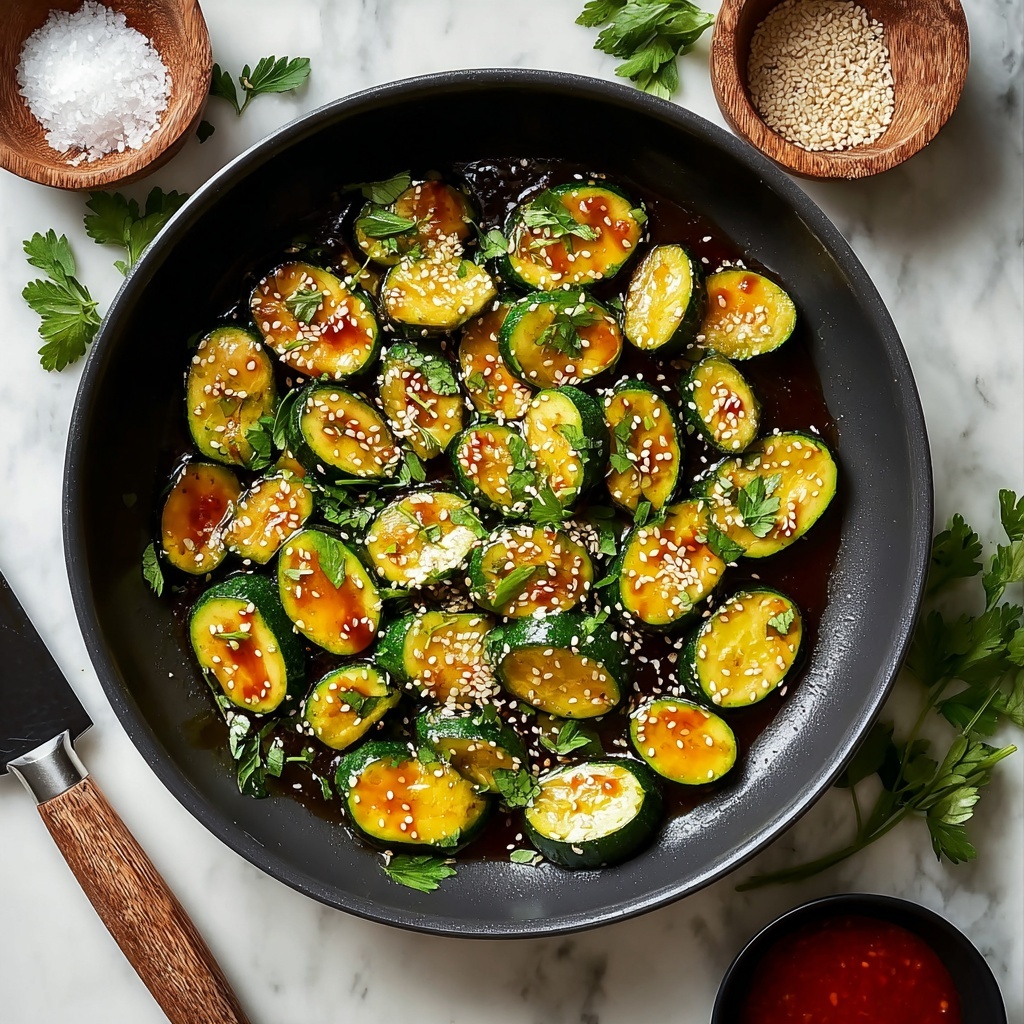
Ingredients You’ll Need
Gathering the right ingredients is your first step to recreating the authentic taste and texture of this Japanese Steakhouse Hibachi Zucchini Recipe. Each ingredient plays a crucial role in bringing together the buttery richness, savory depth, and subtle spice that make this dish so irresistible.
- 2 medium zucchinis: The star of the dish, providing a juicy yet tender base that absorbs all the delicious flavors.
- 1 tablespoon olive oil: Adds a light, fruity base for sautéing that keeps the zucchini from sticking and complements the butter.
- 1 tablespoon butter: Infuses the zucchini with rich, creamy flavor and helps achieve that classic hibachi caramelization.
- 1 teaspoon garlic, minced: Brings aromatic warmth that awakens the palate without overpowering the dish.
- 1 teaspoon soy sauce: Adds an umami punch and a touch of saltiness that perfectly balances the buttery notes.
- 1/2 teaspoon sesame oil: Contributes a lovely nutty essence that scents the zucchini just right.
- 1/4 teaspoon black pepper: Provides subtle heat and depth to round out the flavors.
- 1/4 teaspoon salt: Enhances the natural sweetness of the zucchini and ties the seasoning together.
- 1 tablespoon sesame seeds: Toasted gently, they add crunch and a beautiful visual contrast.
- 1/4 teaspoon red pepper flakes: Delivers a mild, lingering warmth to excite the taste buds.
How to Make Japanese Steakhouse Hibachi Zucchini Recipe
Step 1: Prep Your Zucchini
Start by giving your zucchinis a thorough wash under cold water to remove any dirt or residue. Then, trim off both ends before slicing each zucchini in half lengthwise. From there, cut each half into quarter-inch thick half-moon shapes. This uniform cut helps the zucchini cook evenly, ensuring each bite has that perfect tender-crisp texture.
Step 2: Heat the Pan and Add Fat
Place your skillet or frying pan on medium-high heat and add the olive oil. Give it about 30 seconds to warm until it starts shimmering. Next, add the butter and let it melt completely, swirling the pan gently to marry the butter and oil. This combination is key to achieving that luscious hibachi flavor and the delightful golden edges on the zucchini.
Step 3: Sauté Garlic and Zucchini
Sprinkle in the minced garlic and stir it quickly for about 30 seconds—just until you catch that irresistible aroma. Now, add your sliced zucchini in a single layer, letting them cook undisturbed for a solid two minutes. This step allows the zucchini to develop a slight, savory caramelization on one side, a hallmark of hibachi cooking that enhances both flavor and texture.
Step 4: Season and Finish Cooking
After the initial sear, stir the zucchini gently so the other sides get some love. Season with soy sauce, sesame oil, black pepper, and salt. Keep stir-frying for another 3 to 4 minutes, making sure every zucchini slice is coated in that delicious umami-infused sauce. When the zucchini turns tender and cooked through, sprinkle sesame seeds and red pepper flakes over the top, stirring for an additional minute to toast the seeds and bring out the pepper’s warmth.
Step 5: Serve Immediately
Once everything is perfectly tender, and the flavors are well melded, remove the pan from heat. Transfer your beautiful Japanese Steakhouse Hibachi Zucchini Recipe to a serving dish and get ready to enjoy the vibrant, comforting goodness you just created.
How to Serve Japanese Steakhouse Hibachi Zucchini Recipe
Garnishes
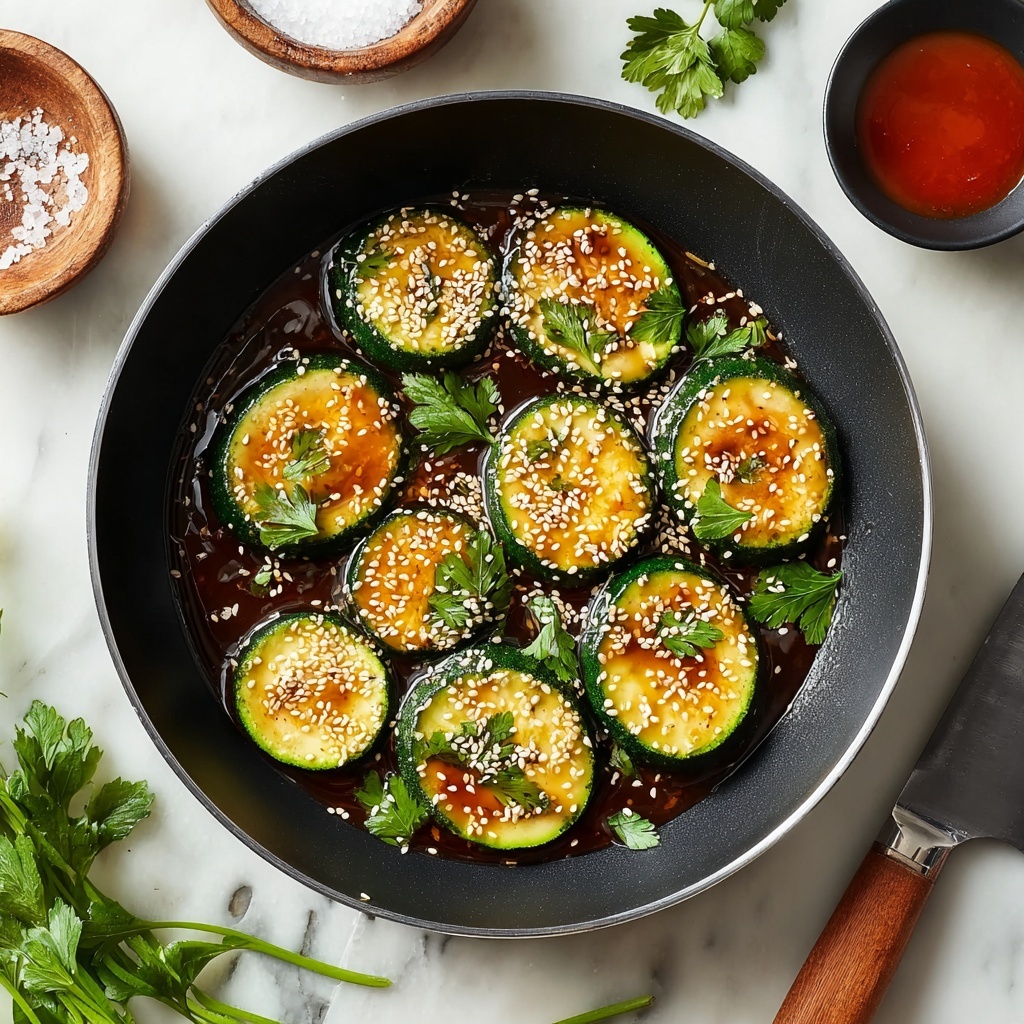
Sprinkle extra toasted sesame seeds or a handful of finely chopped green onions to add freshness and a subtle crunch. A lemon wedge served on the side can also brighten the dish with a squeeze of citrus, lifting those buttery, umami-soaked zucchini slices even higher.
Side Dishes
This Japanese Steakhouse Hibachi Zucchini Recipe pairs wonderfully with hibachi-style fried rice or steamed jasmine rice, which soak up every drop of sauce. For a full meal, add some hibachi-style grilled chicken, steak, or shrimp—your zucchini will balance those proteins beautifully.
Creative Ways to Present
For dinner parties, serve this dish in small bamboo steamers or elegant bowls to channel that authentic Japanese steakhouse vibe. You could also toss the zucchini into a warm soba noodle bowl or top grilled tofu with this flavorful vegetable for a delightful twist.
Make Ahead and Storage
Storing Leftovers
Place any leftover Japanese Steakhouse Hibachi Zucchini Recipe in an airtight container and refrigerate. It’s best enjoyed within 2 days, as the zucchini retains its texture and flavor nicely when stored properly.
Freezing
Freezing is not recommended for this dish, as zucchini tends to become watery and mushy once thawed. For best results, enjoy this recipe fresh or refrigerated within a couple of days.
Reheating
Gently reheat leftovers in a skillet over medium heat to preserve the zucchini’s slight crispness and bring back the buttery flavor. Avoid microwaving if possible, since it can make the zucchini soggy.
FAQs
Can I use other vegetables besides zucchini in this Japanese Steakhouse Hibachi Zucchini Recipe?
Absolutely! Vegetables like yellow squash, mushrooms, or even broccoli can be great substitutes or additions. Just adjust cooking times to ensure even tenderness and flavor absorption.
Is this recipe vegan-friendly?
Not as written, since it uses butter. However, you can easily make it vegan by substituting vegan butter or extra olive oil. The flavor will still be deliciously rich and satisfying.
How spicy is this dish?
The red pepper flakes add a gentle, warming heat—not overpowering but enough to provide a pleasant kick. You can always adjust the amount to suit your heat preference or omit them altogether.
Can I prepare this on a grill instead of a skillet?
You can, but keep in mind that evenly cooking the zucchini on a grill requires some attention, and the small slices might fall through the grates. Using a grill basket helps, and grilling adds a lovely smoky dimension to the dish.
What is the best way to slice the zucchini?
Slicing the zucchini into quarter-inch thick half-moon pieces is ideal. This size ensures they cook quickly and evenly while maintaining a firm, tender texture without turning mushy.
Final Thoughts
There’s something truly special about the Japanese Steakhouse Hibachi Zucchini Recipe that makes it a standout on any dining table. It’s fresh, flavorful, and easy enough to whip up any night of the week, but impressive enough to wow guests. I promise once you try this recipe, it’ll become your go-to side dish when you want something fast, vibrant, and packed with authentic hibachi flair. So, grab your skillet, and let the fun begin!
Print
Japanese Steakhouse Hibachi Zucchini Recipe
- Prep Time: 0h 5m
- Cook Time: 0h 10m
- Total Time: 0h 15m
- Yield: 2 servings
- Category: Side Dish
- Method: Frying
- Cuisine: Japanese
- Diet: Low Fat
Description
This Japanese Steakhouse Hibachi Zucchini is a simple and delicious side dish featuring sautéed zucchini with garlic, soy sauce, and sesame flavors. Perfectly cooked in a skillet, it offers a tender texture with a hint of heat from red pepper flakes and toasted sesame seeds for an authentic hibachi experience at home.
Ingredients
Vegetables
- 2 medium zucchinis
Oils and Fats
- 1 tablespoon olive oil
- 1 tablespoon butter
- 1/2 teaspoon sesame oil
Seasonings
- 1 teaspoon garlic, minced
- 1 teaspoon soy sauce
- 1/4 teaspoon black pepper
- 1/4 teaspoon salt
- 1 tablespoon sesame seeds
- 1/4 teaspoon red pepper flakes
Instructions
- Wash the Zucchinis: Begin by washing the zucchinis thoroughly under cold running water to remove any dirt or impurities.
- Prepare the Zucchini: Trim both ends off the zucchinis and cut them in half lengthwise.
- Slice the Zucchini: Slice each half into quarter-inch thick half-moon shapes to ensure even cooking.
- Heat the Pan: Place a large skillet or frying pan on the stove and set the heat to medium-high.
- Add Olive Oil: Add one tablespoon of olive oil into the hot pan and let it heat for about 30 seconds until shimmering.
- Add Butter: Once the oil is hot, add one tablespoon of butter to the pan.
- Combine Fats: Let the butter melt completely while swirling the pan gently to combine the butter and olive oil evenly.
- Sauté Garlic: Add one teaspoon of minced garlic to the pan and stir it around for 30 seconds until aromatic but not burnt.
- Add Zucchini to Pan: Place the sliced zucchini pieces into the pan in a single layer to promote nicely browned sides.
- Cook Undisturbed: Let the zucchini cook undisturbed for about 2 minutes to develop a slight golden-brown color on one side.
- Stir Zucchini: After 2 minutes, stir the zucchini gently to allow the other sides to cook evenly.
- Season the Zucchini: Season with one teaspoon of soy sauce, half a teaspoon of sesame oil, quarter teaspoon black pepper, and quarter teaspoon salt, stirring to mix well.
- Continue Cooking: Stir the zucchini continuously for 3 to 4 minutes until tender and the seasonings are well distributed.
- Add Sesame Seeds: Sprinkle one tablespoon of sesame seeds over the zucchini and stir to combine.
- Add Heat: Add one-quarter teaspoon of red pepper flakes and stir evenly to incorporate a mild spicy kick.
- Toast Sesame Seeds: Cook for another minute so the sesame seeds toast slightly for added flavor and texture.
- Remove from Heat: Remove the pan from heat once the zucchini is tender and all ingredients are well combined.
- Serve: Transfer the cooked zucchini to a serving plate and serve immediately for best taste and freshness.
Notes
- Use medium zucchinis for the best balance of tenderness and flavor.
- Do not overcrowd the pan to ensure even browning.
- Adjust red pepper flakes to taste for more or less heat.
- Serve immediately as zucchini tends to get soggy if left sitting.
- Can be paired with hibachi-style grilled meats or rice for a complete meal.