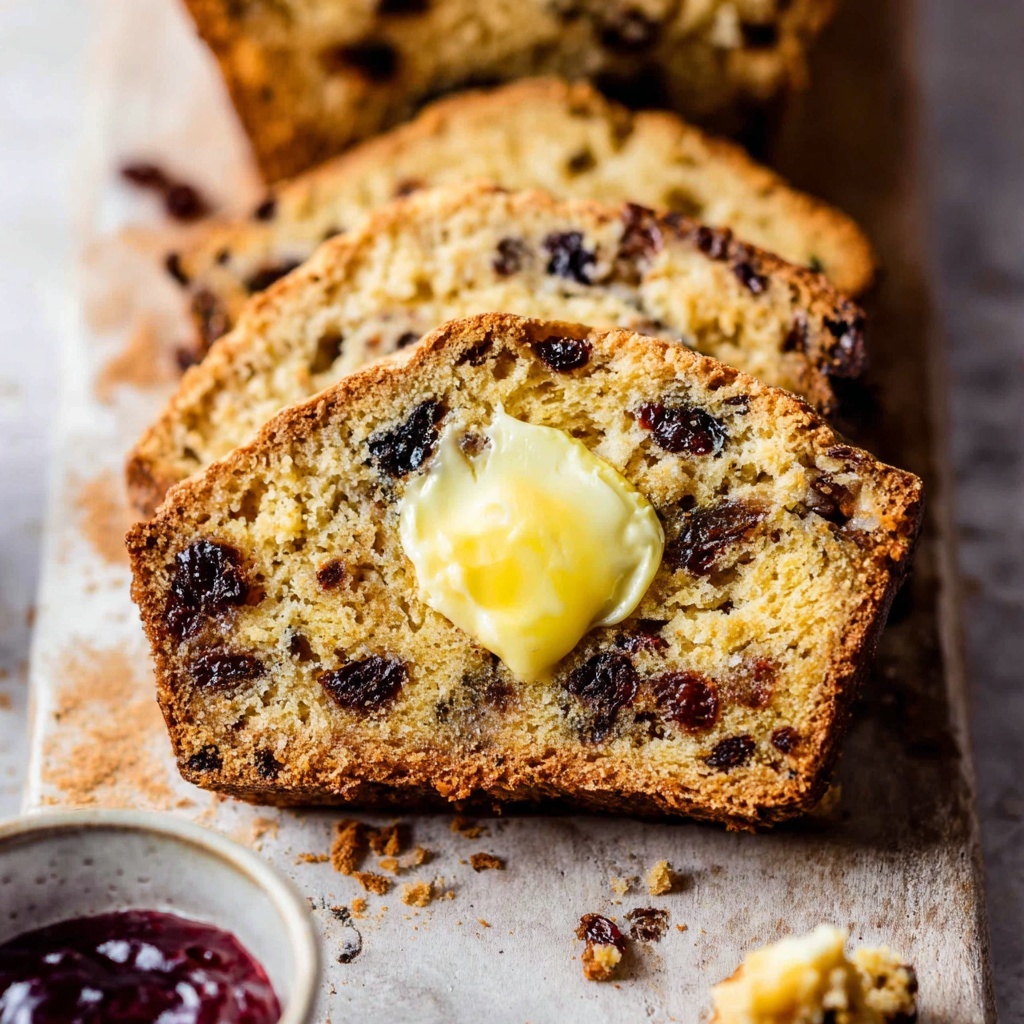
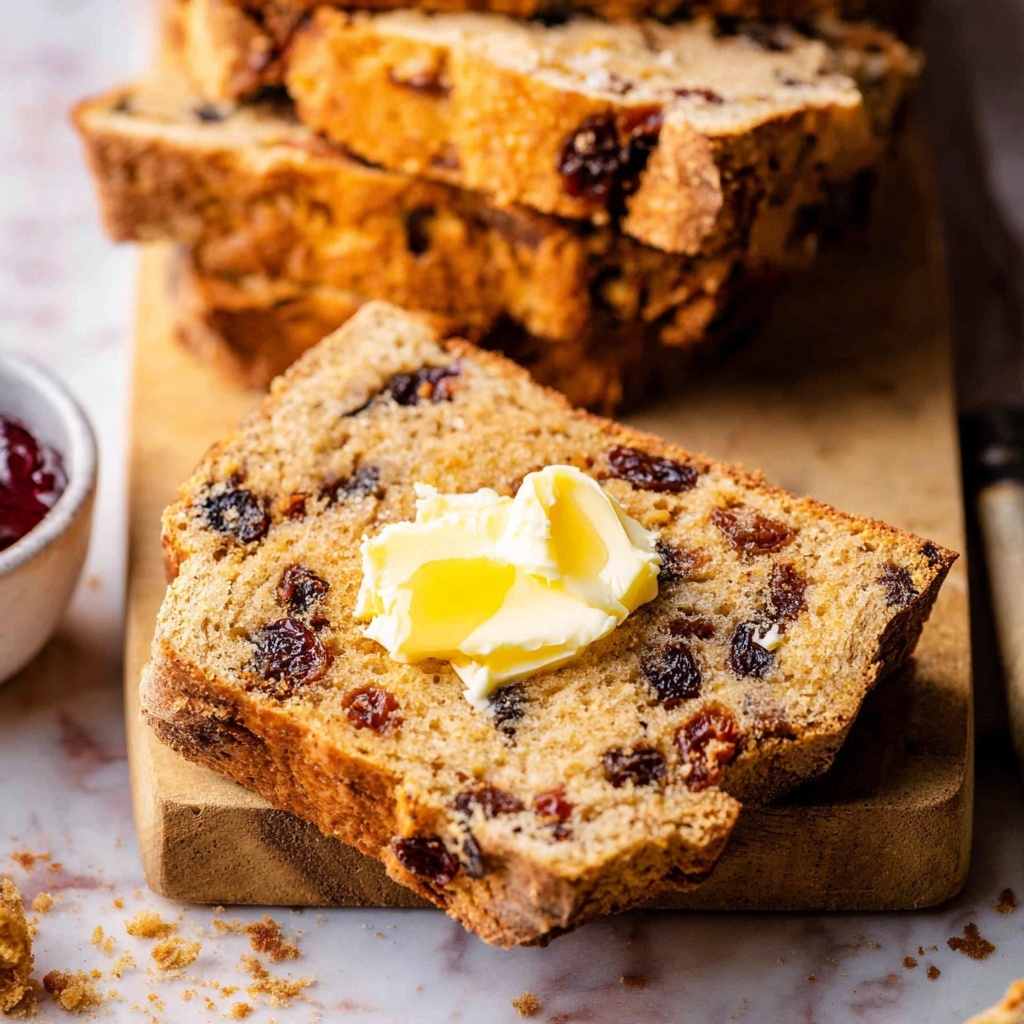
If you’re looking for a soul-warming loaf that’s full of character and tradition, this Irish Soda Bread with Buttermilk and Dried Currants Recipe is a must-try. With a tender crumb, just the right amount of sweetness, and a rustic crust, this bread tells a story in every bite. The buttermilk adds a wonderful tang that perfectly balances the subtle richness of the butter and oil, while the dried currants bring in bursts of fruity goodness. It’s a straightforward recipe that yields a loaf worthy of any table, from hearty breakfasts to comforting dinners.
Ingredients You’ll Need
It’s amazing how a handful of simple ingredients can come together to create something as delightful as this Irish soda bread. Each plays a crucial role in building the bread’s fluffy texture, rich flavor, and inviting golden crust.
- 4 cups sifted all-purpose flour: Provides the structure for the bread; ensuring it’s sifted helps keep the loaf light and airy.
- 1/3 cup granulated sugar: Adds a touch of sweetness to balance the tang of buttermilk and the saltiness of butter.
- 1 1/2 teaspoons baking soda: The magic leavening agent that reacts with buttermilk to give the bread its rise—freshness here is key!
- 2 teaspoons kosher salt: Enhances all the flavors; use less if substituting with table salt.
- 2 tablespoons cold butter: Adds tenderness and a subtle richness.
- 1/4 cup vegetable oil: Light olive oil works beautifully, contributing to the moist crumb without overpowering the other flavors.
- 1 1/2 cups buttermilk: Provides moisture and a gentle tang, crucial for the soda bread’s signature taste.
- 1 large egg and 1 large egg yolk: Help bind the ingredients and add richness to the dough.
- 1 1/2 cups zante currants: Optional but highly recommended for little bursts of sweetness that mesh beautifully with the bread’s texture.
How to Make Irish Soda Bread with Buttermilk and Dried Currants Recipe
Step 1: Preheat and Prepare
Start by heating your oven to 425 degrees F. A hot oven will give your bread a lovely crust. If you’re using dried currants or any dried fruit, consider plumping them to bring out their juiciness—placing them in just-boiled water for about 10 minutes does the trick and makes every bite delightfully soft.
Step 2: Sift the Flour and Mix Dry Ingredients
Sifting flour might seem old-fashioned but it ensures your bread will rise beautifully and have a tender crumb. Add sugar, baking soda, and salt to the flour and mix well. These dry ingredients form the backbone of your dough.
Step 3: Cut in the Butter and Oil
Using a pastry cutter, incorporate cold butter into the flour mixture. This process creates tiny pockets of fat, which keep the bread flaky. Gradually drizzle in the oil, cutting it into the mixture as you go—this layering of fats is what makes the crumb extraordinary.
Step 4: Mix in the Currants
After the currants are plumped and drained, toss them into the flour mixture so they’re coated lightly. This helps prevent them from sinking to the bottom during baking—every bite should have a touch of their fruity character.
Step 5: Add Wet Ingredients
Whisk the buttermilk with the egg and egg yolk until smooth. Pour the liquid into the dry ingredients, folding gently with a rubber spatula until the dough just comes together. Resist the urge to overmix; you want the dough to remain a bit shaggy for tenderness.
Step 6: Shape the Dough
Turn your dough onto a floured surface and knead lightly, only once or twice, to bring it into a loosely formed round about 6 to 7 inches across. The rustic, slightly rough shape is a hallmark of an authentic soda bread.
Step 7: Prepare to Bake
Grease a cast iron skillet or baking sheet with butter, or use parchment paper for easy cleanup. Transfer your dough to this surface. Now, carve a deep “X” across the top with a serrated knife—this isn’t just decorative but helps heat penetrate evenly, baking the bread through perfectly.
Step 8: Bake the Bread
Pop it into the oven for 20 minutes, then loosely tent the bread with foil to prevent over-browning while it finishes baking for another 30 to 35 minutes. You’ll know it’s done when a skewer inserted comes out clean, and the loaf sounds hollow when tapped underneath.
Step 9: Finish with Butter and Cool
Right after baking, brush the top with melted butter for a golden sheen and extra flavor. Set the loaf on a wire rack to cool before slicing, so it finishes setting up and delivers that perfect texture.
How to Serve Irish Soda Bread with Buttermilk and Dried Currants Recipe
Garnishes
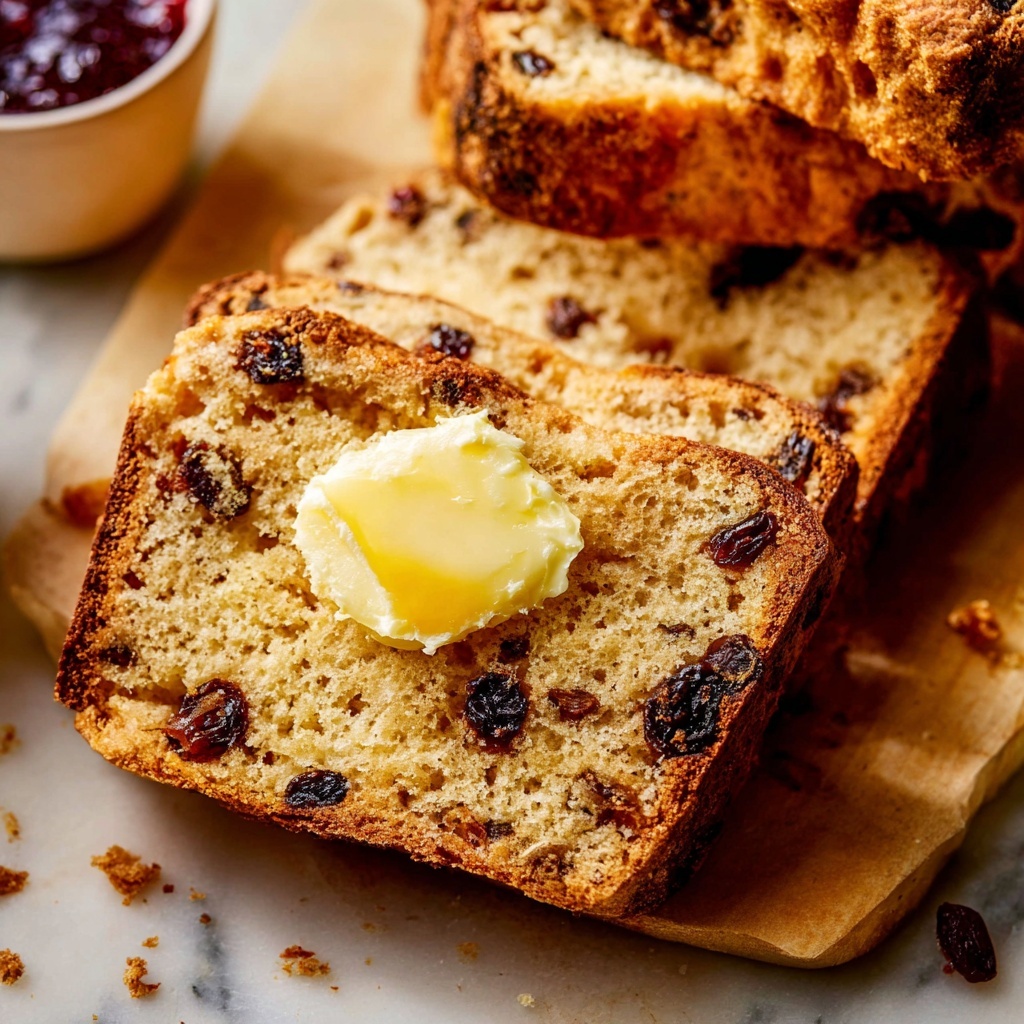
Brush your slices with softened butter and a smear of jam to highlight the bread’s subtle sweetness. A sprinkle of flaky sea salt on top of the butter adds a satisfying contrast that’s especially irresistible.
Side Dishes
This bread pairs beautifully with traditional Irish fare like corned beef and cabbage or alongside hearty stews and thick soups. The fruit in the bread provides a lovely sweetness that complements savory dishes wonderfully.
Creative Ways to Present
For a brunch twist, toast slices and top with cream cheese and smoked salmon or avocado slices. Or transform it into mini open-faced sandwiches with hearty toppings like sharp cheddar, ham, and chilled mustard—comfort food with a personal flair.
Make Ahead and Storage
Storing Leftovers
Wrap leftover bread tightly in plastic wrap or store in an airtight container to keep it from drying out. It stays fresh at room temperature for up to 2 days, making it perfect for enjoying over a couple of meals.
Freezing
This soda bread freezes beautifully. Slice it first for convenience, then wrap the slices or whole loaf in plastic wrap followed by aluminum foil. It will keep well for up to 3 months, ready to be thawed when you need a comforting treat.
Reheating
Reheat slices in a toaster or under a broiler for a couple of minutes to restore that delightful crustiness. For whole loaves, wrap in foil and warm in a moderate oven until heated through, bringing back that freshly baked aroma.
FAQs
Why does this recipe use buttermilk?
Buttermilk reacts with baking soda to create carbon dioxide bubbles, which help the bread rise naturally without yeast. Plus, it adds a subtle tanginess that defines the classic Irish soda bread flavor.
Can I substitute the dried currants with other dried fruits?
Absolutely! Raisins, dried cherries, or even chopped dried apricots work wonderfully. Each brings its own unique sweetness and texture, so feel free to experiment with your favorites.
Why is the dough intentionally shaggy?
A shaggy, slightly rough dough ensures the bread stays tender rather than dense. Over-kneading develops gluten too much, resulting in a tougher loaf rather than the soft crumb you want.
What’s the purpose of cutting an X on top of the bread?
The deep cut allows steam and heat to escape, ensuring the center bakes evenly and the crust doesn’t crack unpredictably. It’s a classic technique that’s both functional and iconic in soda bread.
Can I make this recipe vegan?
To make it vegan, replace the butter with a plant-based spread and use a non-dairy milk mixed with a tablespoon of vinegar or lemon juice to mimic buttermilk. Swap the egg with a flax or chia egg to help bind the dough. The texture will be slightly different but still delicious.
Final Thoughts
This Irish Soda Bread with Buttermilk and Dried Currants Recipe feels like a warm hug in bread form. It’s simple enough to bake on a lazy afternoon yet special enough to serve when company visits. I hope you find as much joy in baking and sharing this lovely bread as I do. Trust me, once you try it, it’ll become one of your go-to comforts, whether for breakfast, dinner, or anytime you crave a truly satisfying loaf.
Print
Irish Soda Bread with Buttermilk and Dried Currants Recipe
- Prep Time: 10 minutes
- Cook Time: 55 minutes
- Total Time: 1 hour 5 minutes
- Yield: 12 servings
- Category: Bread
- Method: Baking
- Cuisine: Irish
Description
This classic Irish Soda Bread recipe yields a beautifully rustic loaf with a crisp golden crust and tender crumb. Made with simple pantry ingredients including buttermilk, butter, and baking soda as a leavening agent, this quick bread features optional plumped raisins or currants for a subtle burst of sweetness. Perfect for pairing with traditional Irish dishes or enjoying on its own with butter and jam, this bread comes together easily and bakes to perfection in under an hour.
Ingredients
Dry Ingredients
- 4 cups sifted all purpose flour (spooned into the cup and leveled)
- 1/3 cup granulated sugar
- 1 and 1/2 teaspoons baking soda (make sure it’s fresh and not out of date)
- 2 teaspoons kosher salt (or 1.25 teaspoons table salt)
Fat and Oil
- 2 tablespoons cold butter
- 1/4 cup vegetable oil (light olive oil recommended)
Wet Ingredients
- 1 and 1/2 cups buttermilk
- 1 large egg
- 1 large egg yolk
Add-ins (Optional)
- 1 and 1/2 cups zante currants or raisins or dried cherries
Instructions
- Preheat Oven: Preheat your oven to 425 degrees F to ensure it is hot enough to give the bread its perfect crust as it bakes.
- Plump the Raisins (Optional): Bring a small pot of water to a boil, then turn off the heat and add 1 and 1/2 cups of raisins or your choice of dried fruit. Cover and let sit for 10 minutes to hydrate, then drain thoroughly.
- Sift the Flour: Spoon flour into a one-cup measuring cup, level it off with a knife, then sift into a large bowl using a mesh strainer. Repeat until you have a total of 4 cups sifted flour.
- Mix Dry Ingredients: Add sugar, baking soda, and kosher salt to the sifted flour and stir to combine evenly.
- Cut in Butter: Using a pastry cutter, cut 2 tablespoons of cold butter into the flour mixture until pea-sized crumbs form.
- Add Oil Gradually: Drizzle 1/4 cup vegetable oil in increments over the mixture, cutting it in each time with the pastry cutter. Avoid smoothing the dough with a spoon.
- Toss in Raisins: If using, add the drained raisins and toss them with the flour mixture to coat evenly.
- Prepare Wet Mixture: In a glass measuring cup, whisk together 1 and 1/2 cups buttermilk, 1 large egg, and 1 egg yolk until smooth.
- Combine Wet and Dry: Pour the buttermilk mixture into the flour mixture and gently fold with a rubber spatula until the dough just comes together.
- Knead Lightly: Turn the dough out onto a floured surface and knead just once or twice to bring it fully together; shape into a 6 to 7 inch circle. Do not over-knead.
- Prepare Baking Surface: Spread 1/2 tablespoon butter on the bottom of a cast iron skillet or baking sheet, or line with parchment paper.
- Score the Dough: Transfer the shaped dough to the prepared pan and use a serrated knife to cut a deep X about an inch deep into the top. This helps the bread cook evenly inside.
- Bake: Bake at 425 degrees F for 20 minutes, then cover loosely with foil to prevent over-browning and bake another 30 to 35 minutes. The bread is done when an inserted skewer comes out clean and the internal temperature reaches 180 degrees F.
- Finish and Cool: Brush the hot bread with melted butter and transfer to a wire rack to cool completely before slicing. Serve plain or with butter and jam, or alongside traditional Irish dishes like Corned Beef and Cabbage.
Notes
- Using fresh baking soda is critical for the bread to rise properly.
- Plumping raisins is optional but helps keep them moist and flavorful in the bread.
- Do not over-knead the dough; handle it gently to keep the bread tender.
- Scoring the top deeply allows heat to penetrate, ensuring the bread cooks evenly.
- Check doneness with both a skewer test and an instant-read thermometer for best results.
- Substitute dried cherries or currants for raisins if desired for different flavor variations.
- Cool the bread fully before slicing to prevent crumbling.
- Storing the bread in an airtight container keeps it fresh for several days.