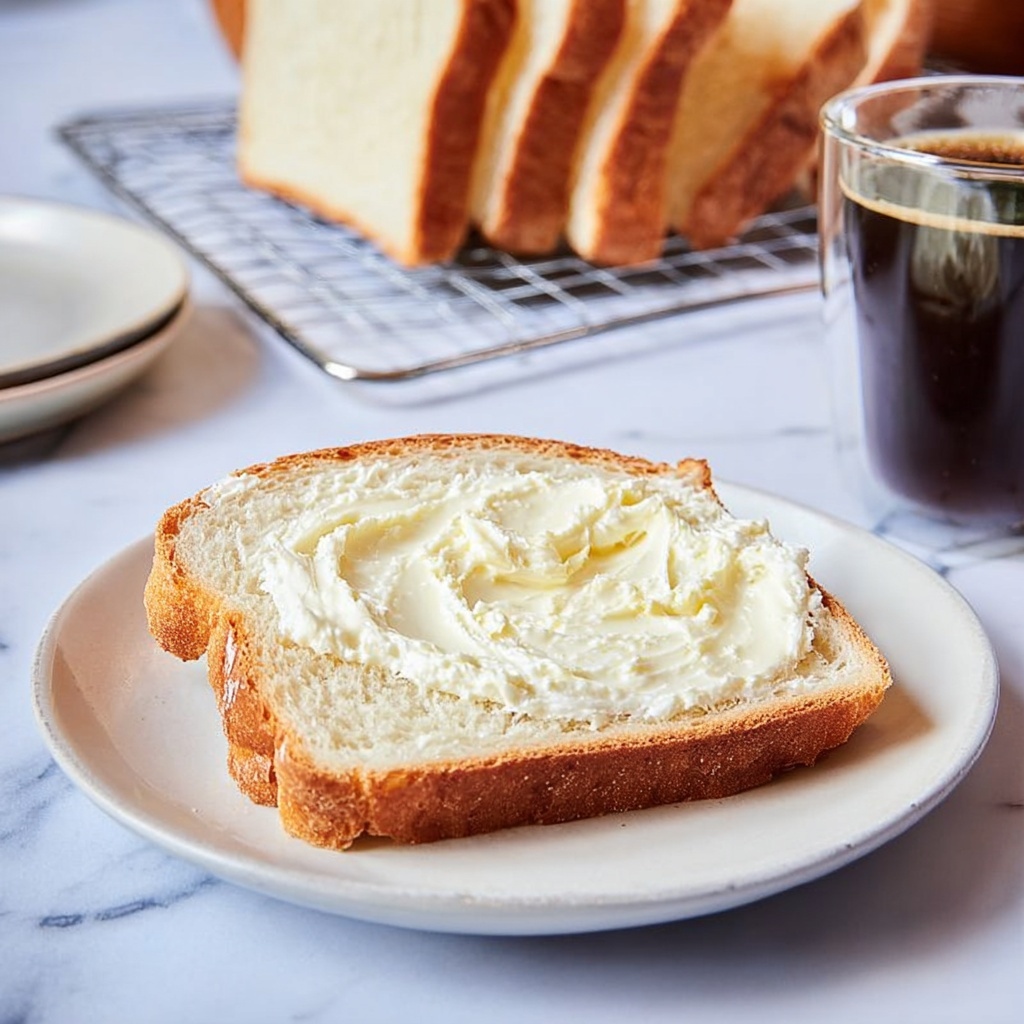
If you’ve ever dreamed of making a soft, fluffy loaf that fills your kitchen with a warm, comforting aroma, then this Amish White Bread Recipe is just what you need. It’s a classic favorite that combines simplicity and tradition, producing a bread with a tender crumb, golden crust, and subtle sweetness. Whether you’re a seasoned baker or just getting started, this recipe has a special way of making each slice feel like a hug from home.
Ingredients You’ll Need
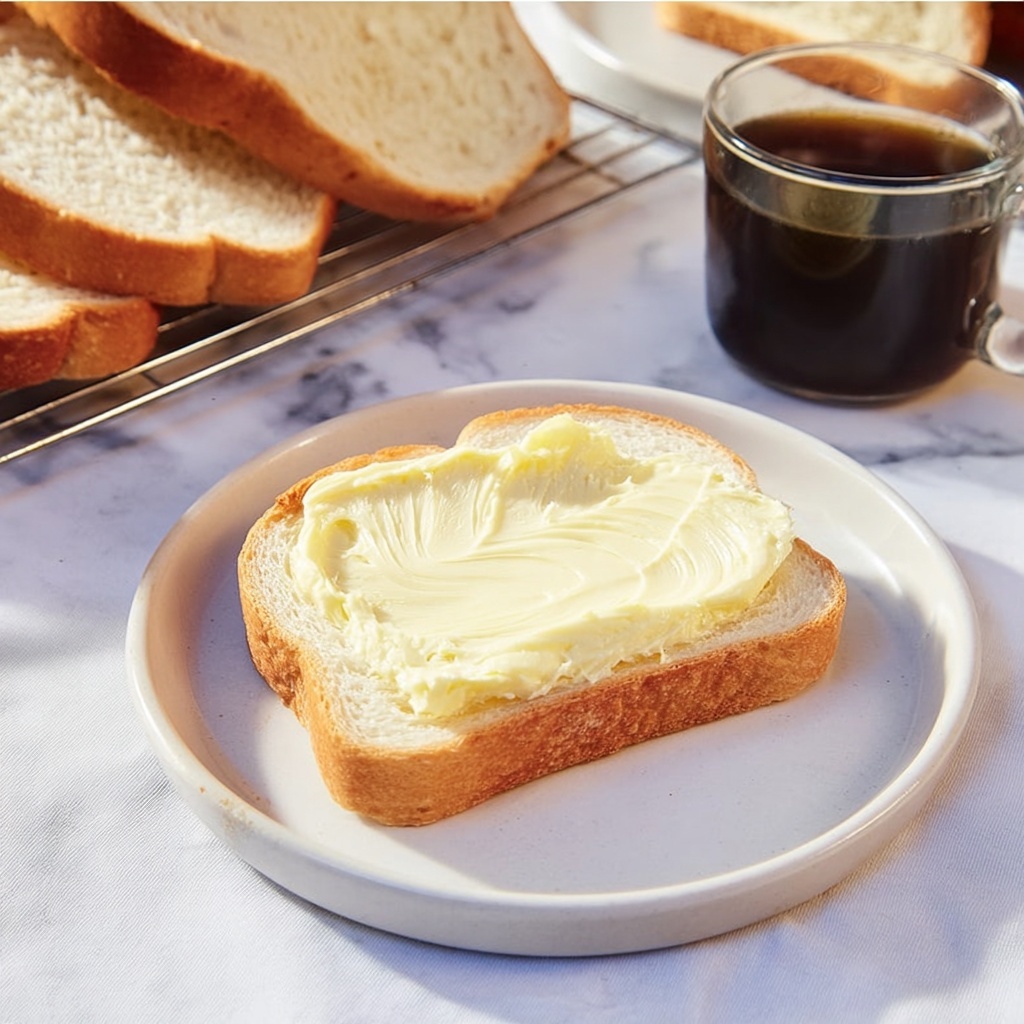
The magic of this Amish White Bread Recipe lies in its humble ingredients, each chosen to build that classic texture and flavor that everyone loves. The ingredients are straightforward but essential, from the yeast that gives life to the dough, to the butter that adds richness and tenderness.
- Warm water (2 cups): Acts as the perfect environment to activate the yeast and develop the dough’s structure.
- Sugar (3/4 cup): Helps feed the yeast while adding just the right amount of gentle sweetness.
- Active dry yeast (1 pouch / 2 1/4 tsp): The key ingredient that makes the bread rise beautifully and become fluffy.
- Pinch of salt: Balances the flavors and strengthens the dough’s gluten development.
- Butter (1 stick, melted, divided): Provides richness and a tender crumb; a portion is used for kneading and coating the dough, and the rest for the loaf’s finishing touch.
- Flour (5 to 6 cups): The backbone of this bread, it shapes the dough into a soft yet sturdy loaf.
How to Make Amish White Bread Recipe
Step 1: Warm Up the Water
Start by gently heating 2 cups of water until it’s warm, aiming for about 100 to 110 degrees Fahrenheit. This temperature is perfect for activating the yeast. Be careful not to overheat; too hot can kill the yeast, and too cool won’t activate it properly.
Step 2: Dissolve Sugar in Water
Combine the warm water with sugar in your mixing bowl, stirring until the sugar is fully dissolved. This sets the stage for a well-fed yeast that’s ready to work its magic.
Step 3: Activate the Yeast
Sprinkle in the active dry yeast and let it sit for about 30 minutes until a creamy foam forms on the surface. This foamy layer is a sign your yeast is alive and kicking, crucial for a perfect rise.
Step 4: Add Salt and Butter
Stir in a pinch of salt and 1/4 cup of the melted butter to the yeast mixture. These ingredients enhance flavor and texture, and the butter begins to tenderize the dough right away.
Step 5: Incorporate the Flour
Add the flour gradually, one cup at a time, mixing gently to integrate each addition. With each cup, the dough will start forming a manageable consistency that is slightly sticky but elastic.
Step 6: Knead Using Stand Mixer
Attach the dough hook to your stand mixer and knead on low speed for 7 minutes, allowing gluten to develop fully. Lightly coat the top of the dough with a bit of melted butter while in the bowl to keep it moist.
Step 7: Butter the Dough and Let It Rest
Pour the remaining melted butter over the dough, turning it in the bowl so it’s evenly coated. This step seals in moisture and results in a wonderfully soft crust after baking.
Step 8: Warm Oven Prep
Preheat your oven briefly to about 350 degrees for one minute, then turn it off. This creates a cozy, warm environment perfect for proofing the dough.
Step 9: First Rise
Cover the bowl with a damp cloth and place it inside your warmed oven. Allow the dough to rise for about an hour or until it has doubled in size, getting wonderfully puffy and light.
Step 10: Punch Down and Knead
Remove dough from the oven, gently punch it down to release excess air, and knead by hand for about a minute. This kickstarts the gluten before shaping.
Step 11: Prepare Pans and Shape Loaves
Grease your bread pan generously with Crisco for an easy release. Divide the dough if using two pans, shaping each into a loaf, or shape the entire dough to fit one long baker’s pan. Make sure the dough fills the pan nicely to get those perfect tall loaves.
Step 12: Second Rise
Place the shaped dough back into the warm oven, and let it rise again until it’s about an inch above the edges of the pan. This usually takes 30 to 45 minutes and ensures an airy, tender loaf.
Step 13: Baking Time
Bake the bread at 350 degrees Fahrenheit for 22 to 30 minutes. Keep an eye on the crust and if it begins browning too quickly, lightly cover the loaf with foil to prevent burning and keep it beautiful.
Step 14: Cooling and Slicing
After baking, transfer the bread to a wire rack and let it cool for 5 to 7 minutes. Use a metal spatula to gently loosen the sides, then remove from the pan and cool completely before slicing with a serrated knife.
Step 15: Enjoying Your Bread
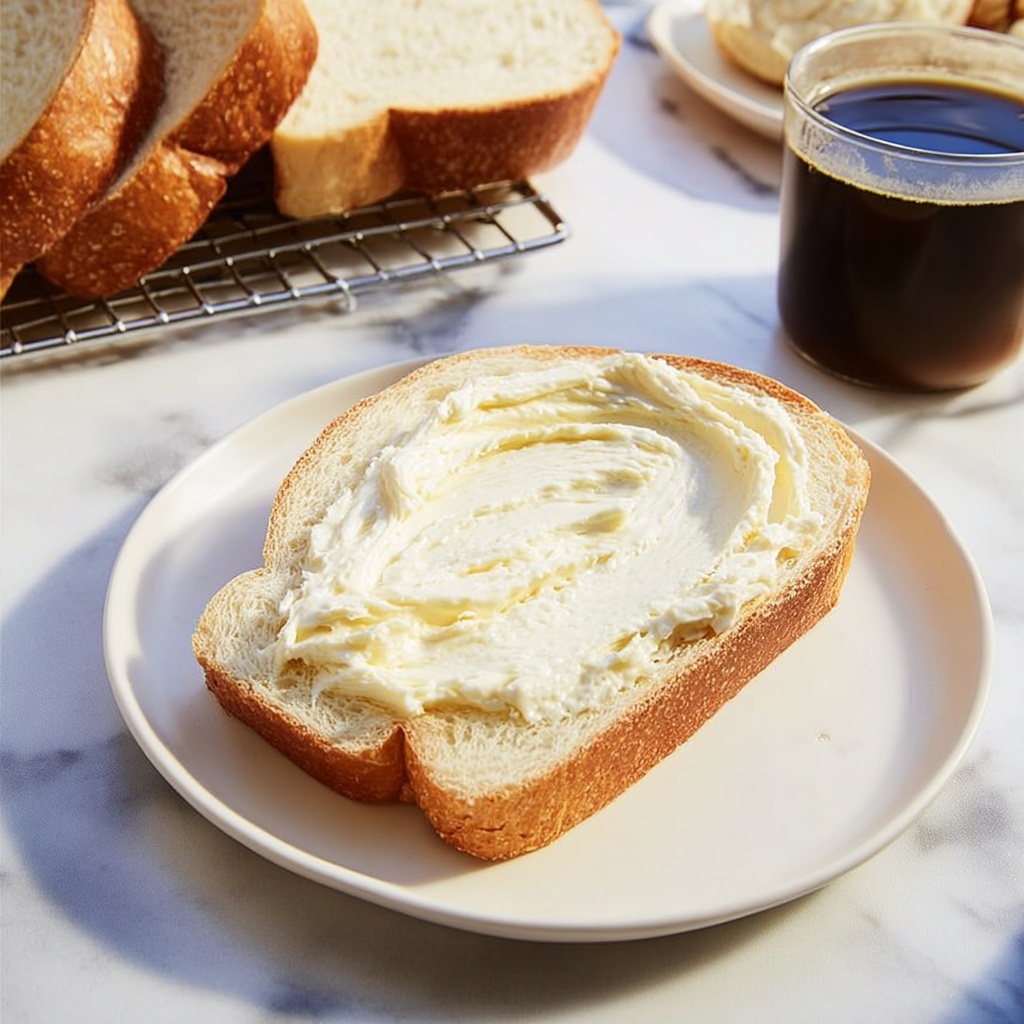
Once cooled, slice up your golden loaf to serve fresh with butter, jams, or use it for sandwiches, toast, or snacks. Every bite carries the warm, homey heart of the Amish White Bread Recipe.
How to Serve Amish White Bread Recipe
Garnishes
This bread is a blank canvas for creativity, but some light touches like fresh herb butter, honey drizzle, or a sprinkle of flaky sea salt can elevate each slice beautifully and add a little sparkle to your table.
Side Dishes
Amish white bread pairs wonderfully with hearty soups, creamy stews, or fresh salads. It’s perfect for soaking up flavorful broths or complementing richer dishes with its soft, tender texture.
Creative Ways to Present
Try turning slices into stuffed French toast, or use the bread for dipping boards alongside cheeses, olives, and cured meats. Toasted and topped with avocado, tomatoes, and a sprinkle of chili flakes also creates a stunning and fresh snack or light lunch.
Make Ahead and Storage
Storing Leftovers
Wrap your leftover loaf tightly in plastic wrap or place it in an airtight container to keep it fresh. Stored at room temperature, it will stay soft and delightful for about 2 to 3 days—perfect for sandwiches and snacks.
Freezing
If you want to save your Amish white bread for longer, slice it before freezing. Wrap the slices in foil or freezer bags and freeze for up to 3 months. This allows you to take out just what you need and keeps your bread from going stale.
Reheating
To revive frozen or stored bread, lightly toast slices or warm whole loaves in the oven at 300 degrees for about 10 minutes wrapped in foil. This refreshes the texture and enhances that fresh-baked flavor.
FAQs
Can I use quick-rise yeast instead of active dry yeast?
Yes! If you use quick-rise yeast, your dough will rise faster. Just be sure to reduce the initial rising time and keep an eye on the dough so it doesn’t overproof.
Why is my Amish white bread dense instead of fluffy?
Dense bread usually means the yeast wasn’t activated properly, the dough didn’t rise enough, or it wasn’t kneaded enough. Make sure your water is the right temperature and give the dough enough time to rise fully.
Can I substitute butter with oil in this recipe?
You can substitute butter with an equal amount of a mild oil like vegetable or canola oil. The bread will still be tender but will have a slightly different flavor and texture compared to using butter.
How do I know when the bread is fully baked?
The loaf should have a golden-brown crust and sound hollow when tapped on the bottom. An internal temperature of 190 to 200 degrees Fahrenheit also indicates it’s perfectly baked through.
Is there a way to make this bread gluten-free?
Traditional Amish White Bread Recipe relies on gluten for its structure, so making it gluten-free would require specialized flours and extra binding agents, which can change the texture significantly. For a similar taste, look for gluten-free bread recipes designed specifically for those flours.
Final Thoughts
Baking this Amish White Bread Recipe is more than just making bread—it’s a way to fill your kitchen and heart with warmth and tradition. The straightforward process and simple ingredients yield a loaf that’s incredibly rewarding and versatile. I truly hope you try this recipe and enjoy every slice as much as I do!
Print
Amish White Bread Recipe
- Prep Time: 15 minutes
- Cook Time: 35 minutes
- Total Time: 1 hour 50 minutes
- Yield: 12 slices
- Category: Bread
- Method: Baking
- Cuisine: American
Description
This classic Amish White Bread recipe yields soft, fluffy, and slightly sweet homemade bread perfect for sandwiches, toast, or a comforting snack. Utilizing a stand mixer for kneading and a warm oven for rising, it combines simple ingredients like warm water, yeast, sugar, butter, and flour to create a delicious loaf with a golden crust and tender crumb.
Ingredients
Wet Ingredients
- 2 cups warm water (about 110 degrees F)
- 1 stick butter (melted, divided)
Dry Ingredients
- 3/4 cup sugar
- 1 pouch active dry yeast (2 1/4 teaspoons)
- Pinch of salt
- 5 to 6 cups all-purpose flour
Instructions
- Prepare Warm Water: In a microwave-safe container, heat 2 cups of water for 30-45 seconds. Check the temperature with a thermometer to ensure it is between 100-110 degrees Fahrenheit, ideal for activating the yeast.
- Dissolve Sugar in Water: Pour the warm water into a stand mixer bowl and stir in the sugar until fully dissolved, creating a sweet base for yeast activation.
- Activate Yeast: Sprinkle the active dry yeast into the sugar water and let it sit undisturbed for 30 minutes, or until it develops a creamy, foamy layer indicating the yeast is active.
- Add Salt and Butter: Mix in a pinch of salt and 1/4 cup of the melted butter until just combined to enrich the dough.
- Incorporate Flour: Add the flour gradually, one cup at a time, mixing gently to combine after each addition to build the dough structure.
- Knead Dough with Mixer: Using the dough hook attachment, knead the dough on low speed for 7 minutes to develop gluten and create a smooth, elastic dough.
- Butter the Dough: Remove the bowl from the mixer and pour the remaining melted butter over the dough. Turn the dough in the bowl to coat it evenly with butter, which helps keep it soft and moist.
- Preheat and Warm Oven: Turn the oven on to 350 degrees Fahrenheit for one minute then turn it off to create a warm environment ideal for rising.
- First Rise: Cover the dough bowl with a damp cloth and place it in the warm oven. Let the dough rise for about 1 hour, or until it has doubled in size.
- Punch Down and Hand Knead: Remove the dough from the oven, gently punch it down to release air, then knead by hand for about 1 minute to redistribute yeast.
- Prepare Bread Pans: Generously grease your bread pans with Crisco to prevent sticking and aid in browning.
- Shape and Pan Dough: Divide dough in half if using two pans. Shape into loaves and place into the prepared pans, ensuring the dough reaches the edges in a single long pan.
- Second Rise: Allow the dough to rise again in the warm oven until it rises about 1 inch above the top of the pans, about 30-45 minutes.
- Bake Bread: Bake at 350 degrees Fahrenheit for 22-30 minutes. Cover the top with foil if the bread crust is browning too quickly to prevent burning.
- Cool Bread: Remove from oven and place the bread on a wire rack for 5-7 minutes to cool slightly.
- Remove from Pan: Carefully loosen the edges using a metal spatula and transfer the loaves to the wire rack to cool completely for the best texture.
- Slice the Bread: Use a serrated bread knife to slice the bread once fully cooled.
- Serve: Enjoy your Amish White Bread with butter, honey, jams, or jellies. It’s perfect for toast, sandwiches, or as a snack.
Notes
- Ensure water temperature is between 100-110°F to activate yeast without killing it.
- Do not skip the two rising periods; they ensure a light and airy bread texture.
- You can substitute Crisco with butter or oil for greasing pans, but Crisco helps produce a shiny crust and easy release.
- If the bread browns too fast in the oven, tent with foil to prevent burning while the inside finishes baking.
- For best slicing, let the bread cool completely to avoid squishing the crumb.