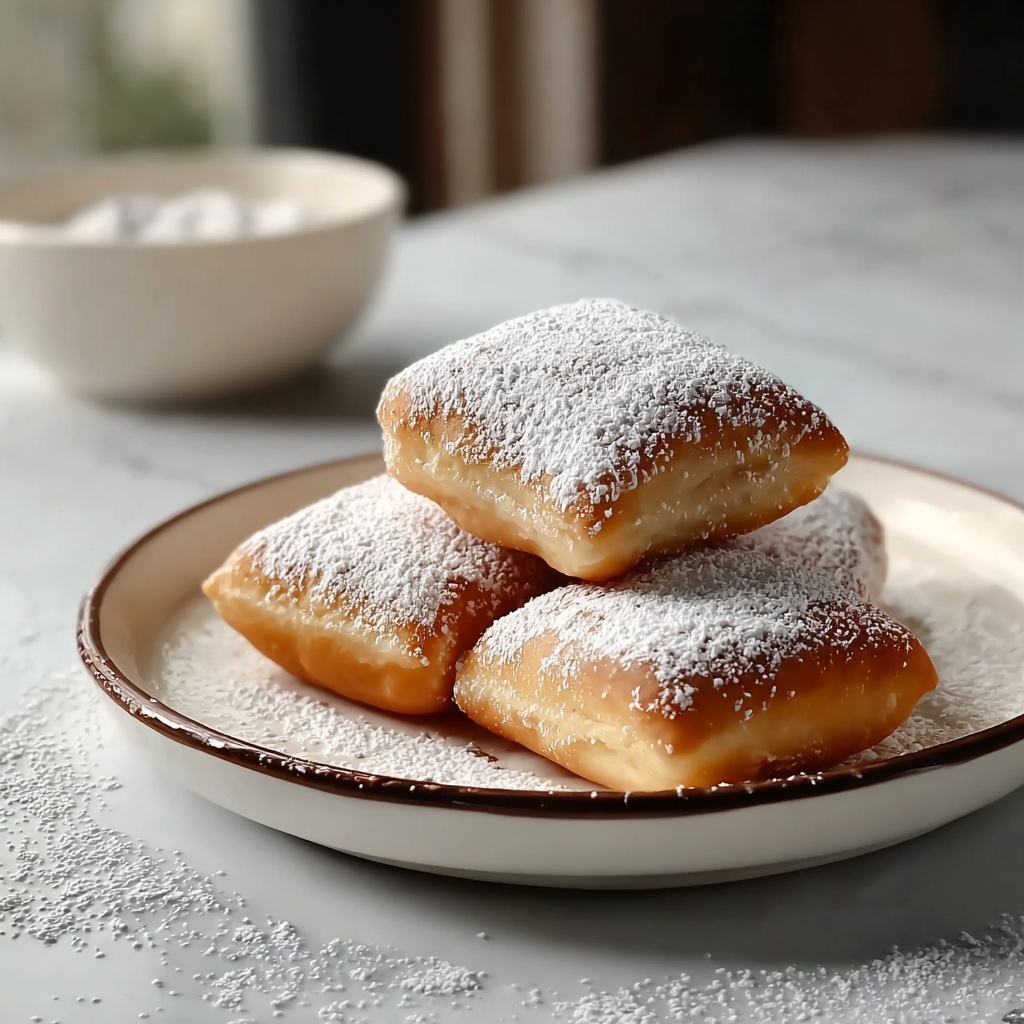
There’s something utterly magical about indulging in Melt-in-Your-Mouth Classic French Beignets with Vanilla Twist Recipe. These golden, pillowy delights have a charm that can brighten any morning or serve as the perfect sweet escape in the afternoon. The beignets are wonderfully soft with a delicate vanilla aroma that elevates the classic French treat to an irresistible new level. Whether you’re sharing with family or surprising friends, these beignets promise to melt away your worries bite by bite.
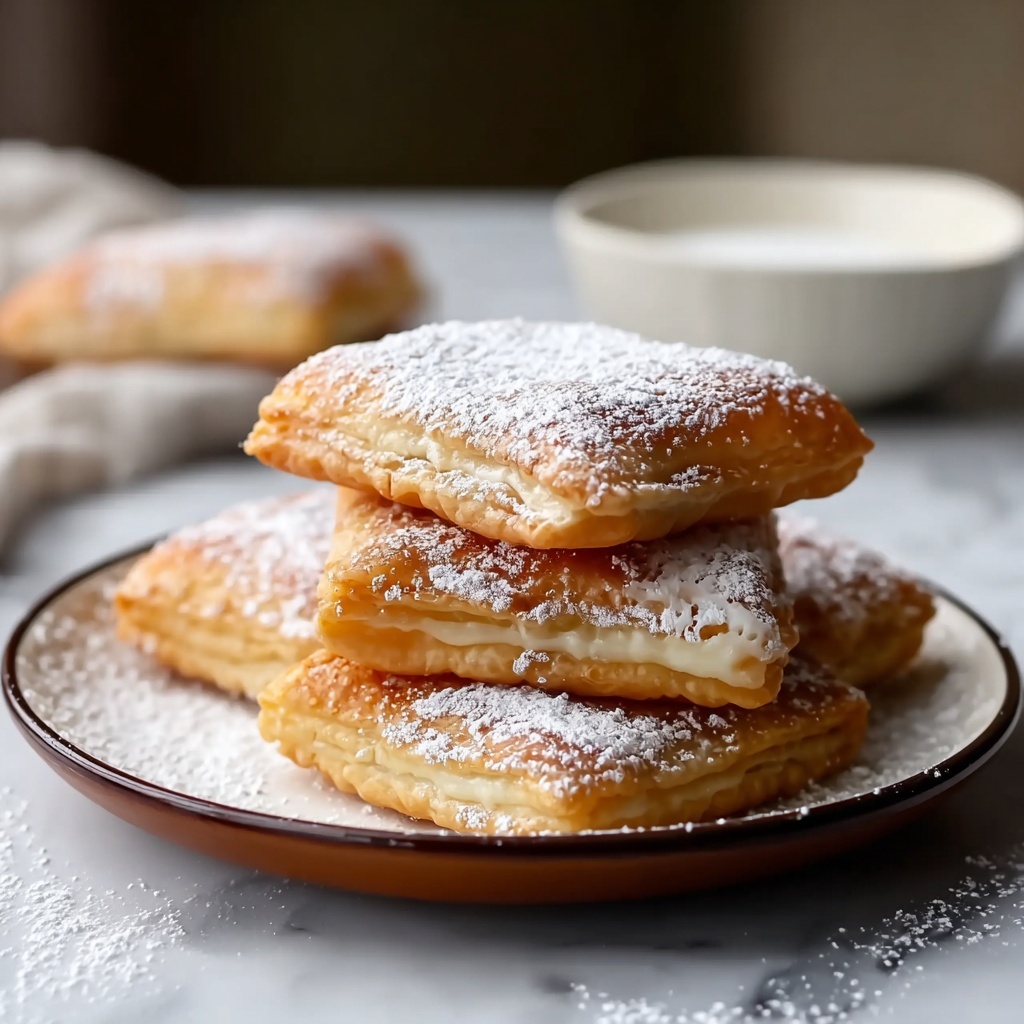
Ingredients You’ll Need
For this recipe, simplicity truly shines. Each essential ingredient plays a vital role, whether it’s building structure, adding flavor, or creating a golden crust. With everyday pantry staples, you can bring this dreamy French pastry to life.
- 4 cups all-purpose flour: Provides a perfect, fluffy base for these beignets, ensuring a tender crumb.
- 1/4 cup granulated sugar: Adds a subtle sweetness to balance the dough beautifully without overpowering the delicate vanilla.
- 2 1/4 teaspoons active dry yeast: The star of the rising process, creating lightness and lift in every beignet.
- 1 cup whole milk (warmed): Makes the interior tender and moist, enriching the dough’s texture.
- 1/4 cup unsalted butter (melted): Infuses richness and tenderness into the dough, giving that melt-in-your-mouth feel.
- 2 large eggs (beaten): Bind everything together and add to the luscious texture.
- 2 teaspoons vanilla extract: This twist infuses an irresistible aroma and depth of flavor that is simply unforgettable.
- 1/2 teaspoon salt: Enhances all the flavors, balancing sweetness and richness.
- Vegetable oil: Ideal for frying, with a high smoke point and neutral flavor.
- Powdered sugar: For dusting the beignets, lending them a classic sweet finish and a touch of elegance.
How to Make Melt-in-Your-Mouth Classic French Beignets with Vanilla Twist Recipe
Step 1: Activate the Yeast
Begin by mixing the warm milk with your yeast in a small bowl. This little step lets the yeast wake up and get frothy, signaling it’s ready to do its magic. It’s the first sign your beignets will turn out wonderfully light and airy.
Step 2: Combine Dry Ingredients
In a large bowl, whisk together the flour, sugar, and salt. This ensures even distribution, so every bit of dough is perfectly seasoned and balanced.
Step 3: Mix Wet Ingredients into Flour
Make a cozy well in your flour mixture and pour in the frothy yeast milk. Then add melted butter, beaten eggs, and that precious vanilla extract. Stir everything together until you get a sticky, slightly shaggy dough—it’s the foundation of those melt-in-your-mouth textures.
Step 4: Knead to Perfection
Dust your surface with a touch of flour and gently knead the dough for about five minutes. This step builds the gluten structure so your beignets rise beautifully and develop that soft chewiness with the perfect crumb.
Step 5: Let it Rise
Pop your dough into a lightly greased bowl, cover with a cloth, and tuck it away in a warm corner. Within an hour, you’ll see it double in size—a sign it’s ready for the next step.
Step 6: Shape Your Beignets
Punch the dough down gently to release the air bubbles, then roll it out to about half an inch thick. Cut into fun shapes—classic squares or rounds, whichever you prefer. These pieces soon become the golden treats we all love.
Step 7: Prepare for Frying
Heat your vegetable oil in a large pot to approximately 350°F. This temperature is ideal to achieve that crisp golden exterior while keeping the inside tender and soft.
Step 8: Fry Until Golden
Carefully drop 2 to 3 dough pieces at a time into the hot oil. Fry for 2-3 minutes per side, turning them gently until each beignet boasts a gorgeous, golden-brown crust. The sizzling and bubbling signals you’re on your way to pure bliss.
Step 9: Dust and Serve Warm
Remove the beignets with a slotted spoon and place on paper towels to drain excess oil. While still warm, dust them generously with powdered sugar. This finishing touch adds a sweet elegance and melts right into every bite.
How to Serve Melt-in-Your-Mouth Classic French Beignets with Vanilla Twist Recipe
Garnishes
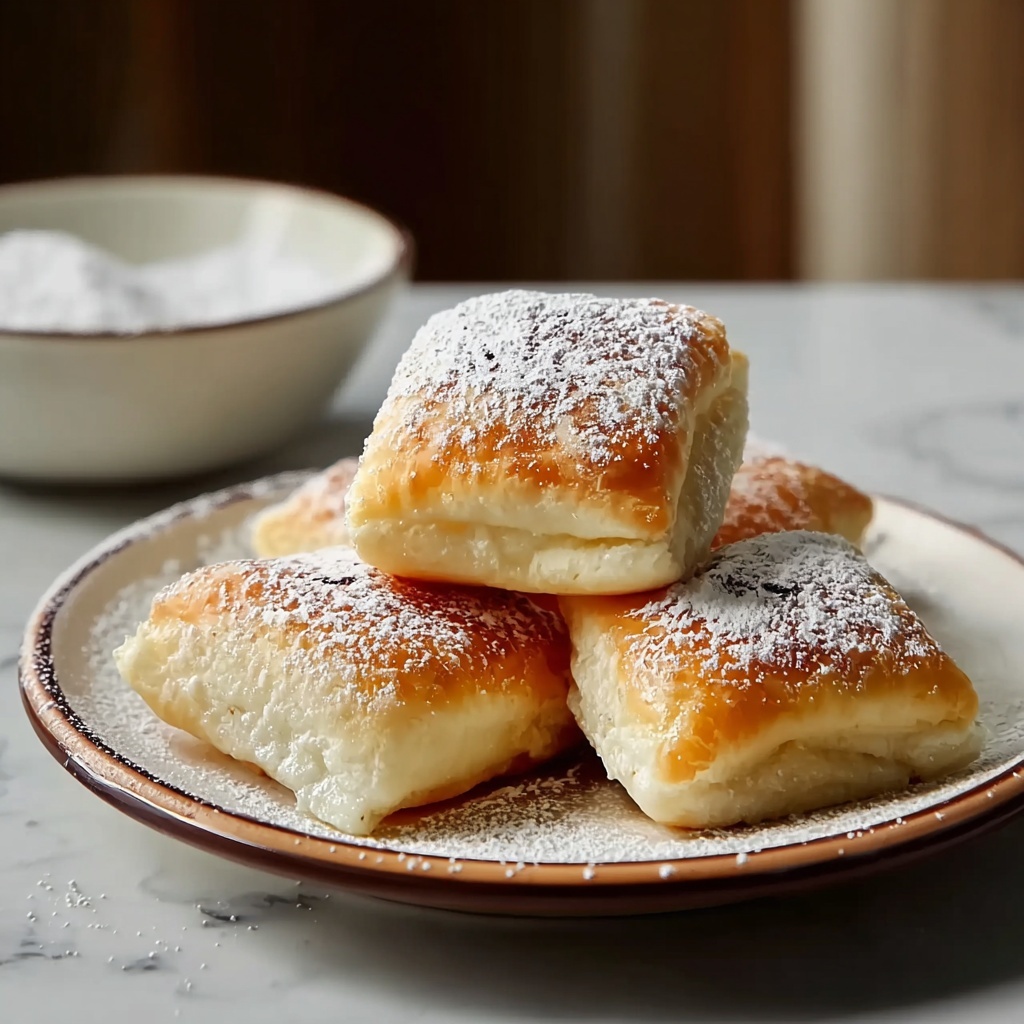
A sprinkle of powdered sugar is always a winner, but why stop there? Fresh berries or a drizzle of warm chocolate sauce can elevate your presentation while adding a pop of flavor contrast. The vanilla twist in the beignets pairs beautifully with fruity or creamy toppings.
Side Dishes
Serve these beignets alongside a cup of rich coffee, a creamy latte, or even a chilled glass of vanilla-infused milk. For a brunch spread, fresh fruit and light yogurt balance the indulgence with refreshing brightness.
Creative Ways to Present
Layer your beignets in a basket lined with parchment paper for a charming rustic look or arrange them neatly on a decorative platter dusted with colorful edible flowers or crushed nuts. For a special occasion, stack them into a beignet tower with ribbons of vanilla glaze between layers—the perfect centerpiece and treat.
Make Ahead and Storage
Storing Leftovers
Place your leftover beignets in an airtight container at room temperature for up to two days. They’ll remain soft, but it’s best to enjoy them fresh whenever possible for that signature melt-in-your-mouth experience.
Freezing
If you want to keep them longer, freeze cooled beignets in a single layer on a baking sheet, then transfer to a freezer bag. They keep well for up to one month and let you enjoy this Melt-in-Your-Mouth Classic French Beignets with Vanilla Twist Recipe anytime cravings strike.
Reheating
To reheat, place thawed beignets in a warm oven at 300°F for 5-7 minutes to revive their soft exterior and fresh-from-the-fryer warmth. Avoid microwaving as it can make them rubbery rather than melt-in-your-mouth.
FAQs
Can I use instant yeast instead of active dry yeast?
Absolutely! If using instant yeast, you can add it directly to the dry ingredients without proofing in warm milk. Just be sure to adjust the process by slightly reducing the liquid to keep the dough consistency perfect.
What’s the best oil for frying beignets?
Vegetable oil or peanut oil is ideal due to their high smoke points and neutral flavors, ensuring your beignets fry evenly without any burnt or off-tastes.
How thick should I roll out the dough?
The right thickness is about half an inch. This thickness lets the beignets rise nicely while maintaining that pillowy softness inside and a crisp exterior.
Can I make these beignets gluten-free?
While traditional beignets rely on gluten for their structure, experimenting with a gluten-free all-purpose flour blend designed for baking might work. However, expect a slight difference in texture and rise.
Do these beignets taste good the next day?
They’re best enjoyed fresh and warm because that’s when the texture is unbeatable. However, if stored properly and reheated carefully, the beignets still hold much of their charm the next day.
Final Thoughts
If you’re looking for a dessert or snack that feels indulgent yet approachable, I wholeheartedly recommend trying the Melt-in-Your-Mouth Classic French Beignets with Vanilla Twist Recipe. It’s a delightful way to bring a touch of French café magic into your home kitchen. Once you bite into these soft, vanilla-kissed beignets, you’ll know why they’re a timeless favorite worth making again and again.
Print
Melt-in-Your-Mouth Classic French Beignets with Vanilla Twist Recipe
- Prep Time: 30 minutes
- Cook Time: 10 minutes
- Total Time: 40 minutes
- Yield: 12 beignets
- Category: Dessert
- Method: Frying
- Cuisine: French
Description
Classic French beignets with a delightful vanilla twist, these melt-in-your-mouth treats are perfectly fluffy, golden-fried pastries dusted with powdered sugar. Ideal as a sweet breakfast or dessert, their tender interior and crispy exterior make them irresistible.
Ingredients
Dough Ingredients
- 4 cups all-purpose flour
- 1/4 cup granulated sugar
- 2 1/4 teaspoons active dry yeast
- 1 cup whole milk, warmed
- 1/4 cup unsalted butter, melted
- 2 large eggs, beaten
- 2 teaspoons vanilla extract
- 1/2 teaspoon salt
Frying and Garnish
- Vegetable oil, for frying (use a high smoke point oil)
- Powdered sugar, for dusting
Instructions
- Activate the yeast: In a small bowl, combine warm milk and yeast. Let it sit for about 5 minutes until frothy, indicating the yeast is active and ready to use.
- Mix dry ingredients: In a large mixing bowl, whisk together the flour, sugar, and salt. Create a well in the center to incorporate wet ingredients easily.
- Combine ingredients: Pour the frothy yeast mixture into the flour well. Add melted butter, beaten eggs, and vanilla extract. Stir gently until a sticky dough forms.
- Knead the dough: Transfer the dough onto a floured surface and knead for about 5 minutes until it becomes smooth and elastic, which develops the gluten for structure.
- First rise: Place the dough in a lightly greased bowl, cover with a cloth, and let it rise in a warm place for about 1 hour or until doubled in size.
- Shape the beignets: Punch down the risen dough to release air. Roll it out to about 1/2 inch thick and cut into squares or circles as preferred.
- Heat oil: In a large pot, heat vegetable oil over medium-high heat to approximately 350°F, ensuring it’s hot enough for frying without absorbing excess oil.
- Fry beignets: Carefully drop 2-3 dough pieces at a time into the hot oil. Fry for about 2-3 minutes per side until golden brown and puffed, flipping as needed.
- Drain and serve: Use a slotted spoon to remove beignets and place them on paper towels to drain excess oil. While still warm, generously dust with powdered sugar and serve immediately.
Notes
- Ensure the milk is warm but not hot to avoid killing the yeast.
- Do not overcrowd the frying pot to maintain oil temperature and even cooking.
- Beignets are best enjoyed fresh and warm as they lose their crispness over time.
- You can substitute vanilla extract with a splash of orange blossom water for a unique flavor twist.
- Adjust sugar quantity if you prefer a sweeter or less sweet pastry.