
“`html
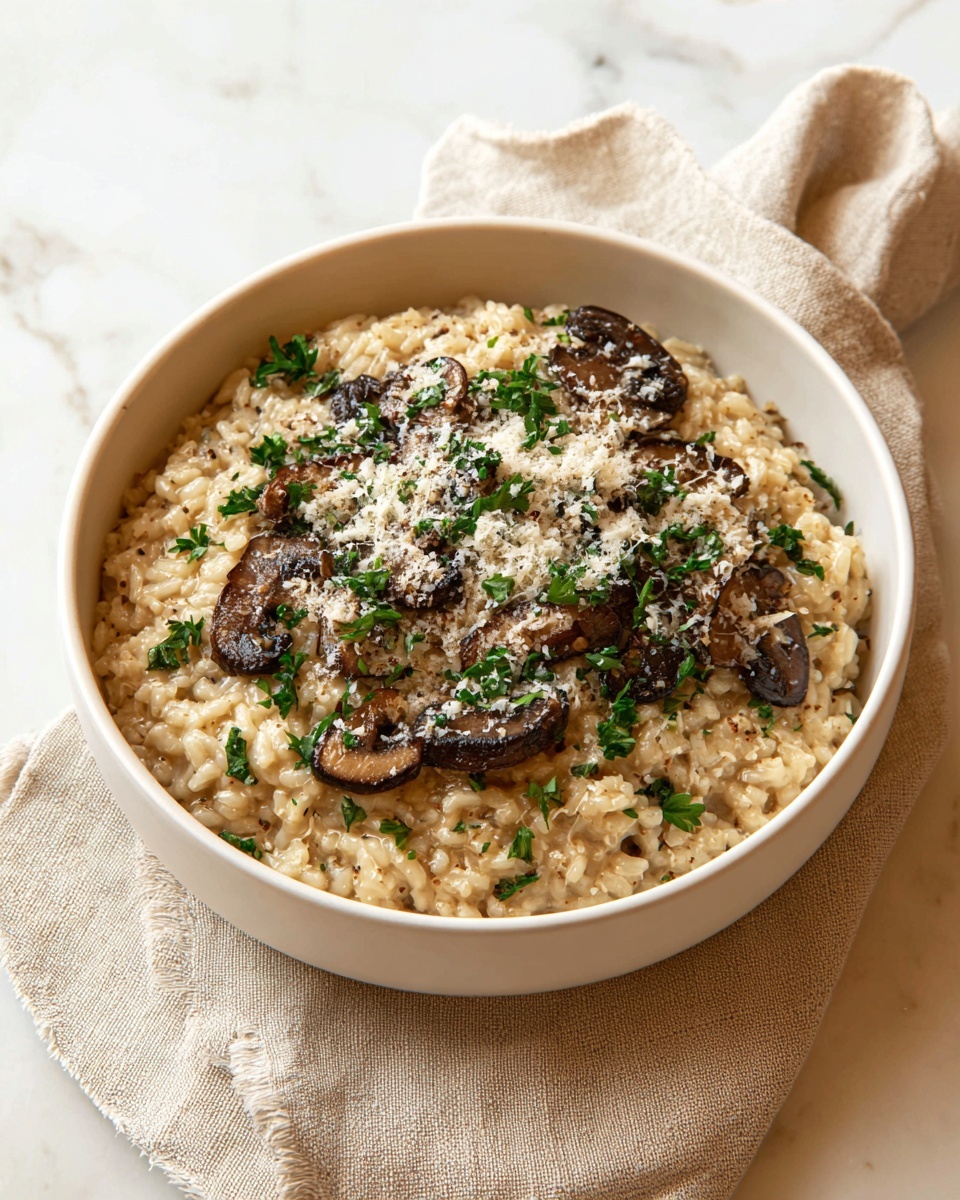
If you’re craving a dish that feels both indulgent and comforting, this Classic Creamy Arborio Risotto Recipe is exactly what you need. It’s a wonderfully rich and velvety risotto that magically turns simple ingredients into something spectacular, capturing the heart of Italian cooking in every spoonful. The secret lies in the creamy texture from the Arborio rice cooked slowly in warm broth, finished with a touch of butter and freshly grated Parmesan. This recipe promises to become a go-to for cozy dinners that impress without stress.
Ingredients You’ll Need
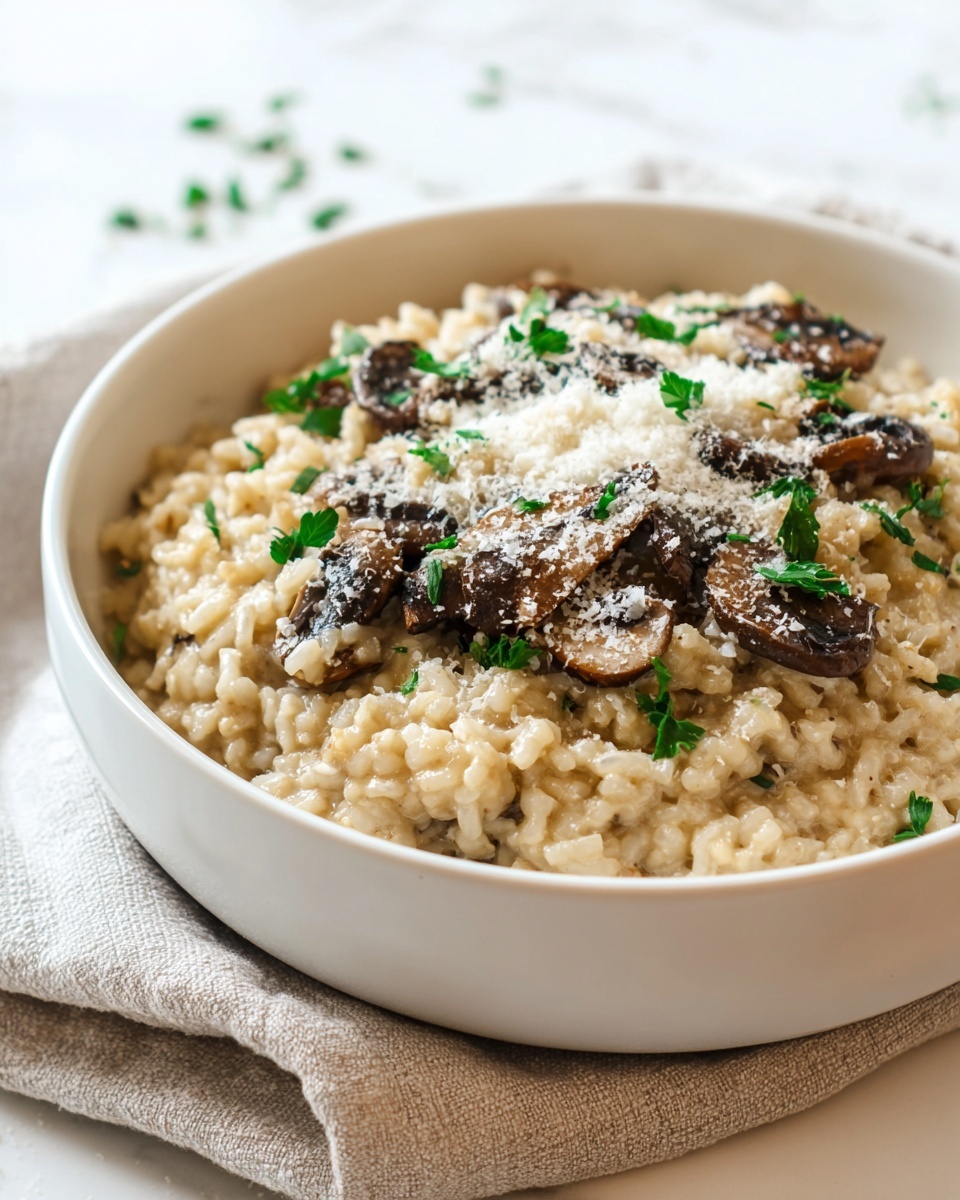
Gathering just the right ingredients is the foundation for a perfectly balanced risotto. Each component plays a specific role, creating harmony in flavor, texture, and color that defines the Classic Creamy Arborio Risotto Recipe.
- Arborio rice: Short-grain rice essential for creamy texture, absorbing broth beautifully without turning mushy.
- Low-sodium vegetable broth: Warm broth is crucial for gently cooking the rice while adding depth of flavor.
- Onion (medium, finely chopped): Adds a subtle sweetness and richness that builds the flavor base.
- Olive oil: Used for sautéing the onions and introducing a fruity undertone.
- Unsalted butter: Adds luscious creaminess and a silky finish to the risotto.
- Grated Parmesan cheese: Enhances flavor with a salty, nutty kick; freshly grated is always best.
- Salt and black pepper: Essential seasoning to elevate every bite.
- Fresh herbs (parsley or basil): For bright, fresh garnishes that add color and aroma.
- Optional vegetables (asparagus, peas, mushrooms): Great for adding freshness, texture, and nutritional value.
- Optional protein (grilled chicken or shrimp): Perfect for those looking to boost the meal’s heartiness.
How to Make Classic Creamy Arborio Risotto Recipe
Step 1: Warm the Broth
Start by gently heating your vegetable broth in a saucepan over medium heat. Keeping the broth warm is vital because adding cold broth can stop the rice from cooking evenly, so this step sets the stage for that perfectly creamy texture you’re aiming for.
Step 2: Sauté Onions
In a heavy-bottomed pot, warm the olive oil over medium heat and sauté the finely chopped onions for about five minutes. You want them translucent and soft, not browned; this releases their natural sweetness and creates a flavorful base.
Step 3: Toast the Arborio Rice
Add the Arborio rice to the pot and stir constantly for about two minutes so the grains get lightly toasted. This toast brings out a subtle nuttiness while helping the rice maintain its texture during cooking, which is key to our Classic Creamy Arborio Risotto Recipe.
Step 4: Add Broth Gradually
Begin adding the warm broth one ladleful at a time. Stir continuously, allowing each addition to be mostly absorbed before adding the next. This gradual process releases the rice starch, building that signature creamy consistency slowly but surely.
Step 5: Cook Until Al Dente and Creamy
Keep adding broth and stirring for about 18 to 20 minutes. The rice should be tender yet firm to the bite—al dente—with a silky texture that just coats your spoon. This is the moment when the magic truly happens in the Classic Creamy Arborio Risotto Recipe.
Step 6: Finish with Butter and Parmesan
Remove the pot from heat and stir in the unsalted butter and freshly grated Parmesan cheese. This adds richness and melt-in-your-mouth creaminess that defines the dish. Taste and season with salt and black pepper to suit your preference.
Step 7: Fold in Optional Add-ins
If you’re using vegetables like peas or asparagus, or proteins like grilled chicken or shrimp, fold them in now. This step transforms the risotto into a complete, satisfying meal bursting with texture and flavor.
Step 8: Rest and Garnish
Let your risotto rest for a minute — this little pause helps the flavors meld and the texture to settle perfectly. Serve it topped with fresh herbs such as parsley or basil for a splash of color and aromatic freshness that lifts the whole dish.
How to Serve Classic Creamy Arborio Risotto Recipe
Garnishes
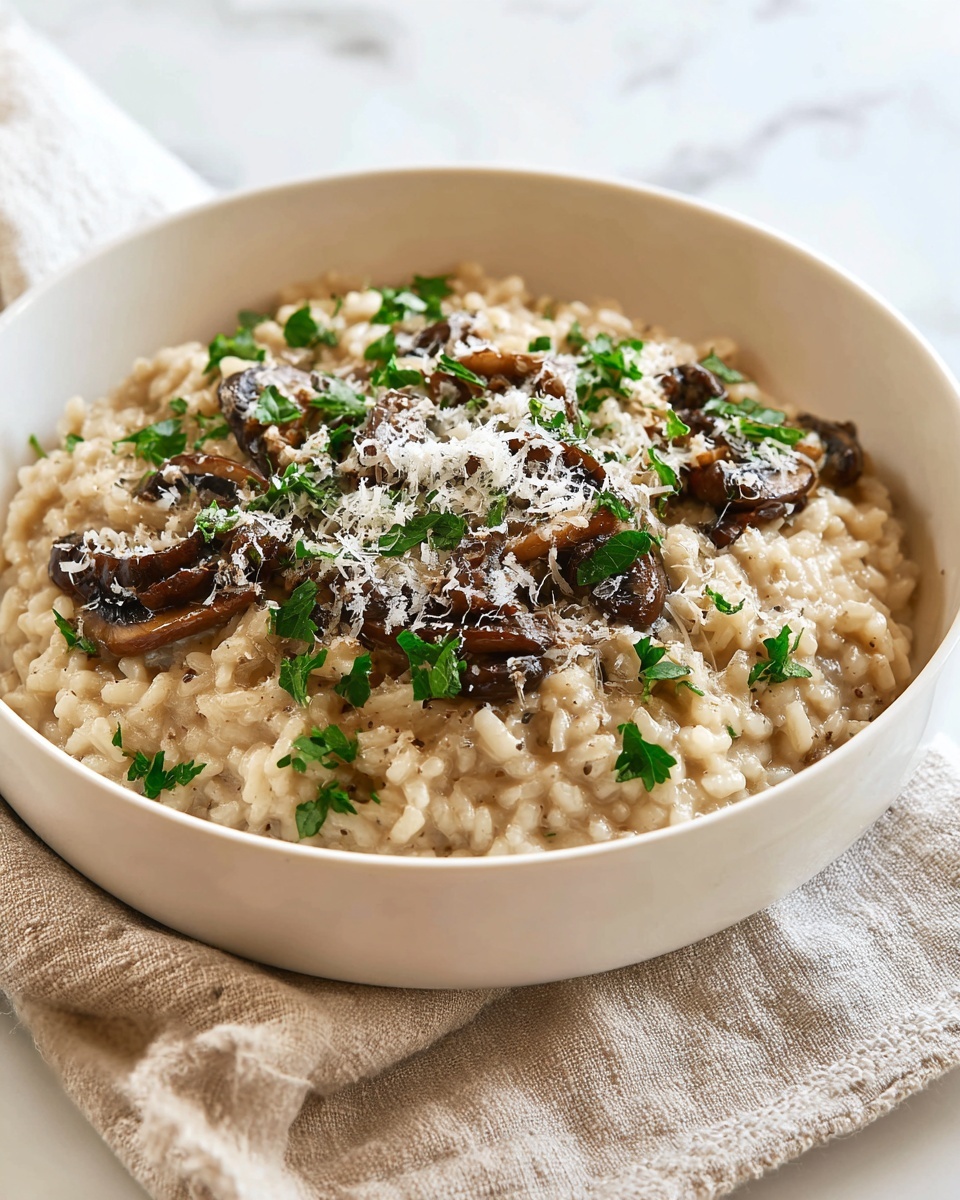
Fresh herbs are the easiest and most impactful garnishes for risotto. Sprinkle chopped parsley or torn basil leaves right on top to brighten the dish and add visual appeal. A dusting of extra Parmesan cheese never hurts either if you’re a cheese lover.
Side Dishes
Risotto shines best alongside simple sides that complement but don’t overpower it. Think a crisp green salad with lemon vinaigrette or lightly roasted vegetables. For a heartier pairing, grilled meats or seafood are wonderful and match the creamy richness with a smoky contrast.
Creative Ways to Present
Serve your Classic Creamy Arborio Risotto Recipe in shallow bowls to show off that irresistible creaminess. For special occasions, drizzle a little truffle oil atop or fold in roasted mushrooms. Another fun idea is to spoon it into delicate endive leaves for elegant individual bites at a dinner party.
Make Ahead and Storage
Storing Leftovers
If you have leftovers, place them in an airtight container and refrigerate for up to three days. Risotto thickens as it cools, so be ready to add a splash of broth or water when reheating to bring back that creamy texture.
Freezing
Freezing risotto is not generally recommended because the texture can become grainy upon thawing. However, if you do freeze it, be sure to thaw slowly in the refrigerator and reheat gently with extra liquid to help restore creaminess.
Reheating
To reheat your Classic Creamy Arborio Risotto Recipe, warm it gently in a saucepan over low heat, stirring frequently. Add small amounts of warm broth or water as needed to loosen the texture. Microwaving works too, but stirring often will ensure even heat and creamy results.
FAQs
What makes Arborio rice ideal for risotto?
Arborio rice has a high starch content and thick grain, which releases creamy starch when cooked slowly in liquid. This creates the luxurious, velvety texture that defines classic risotto.
Can I use chicken broth instead of vegetable broth?
Absolutely! Chicken broth adds a richer flavor and works beautifully. Just keep it warm as you cook to maintain the risotto’s creamy consistency.
Why do I need to add broth slowly instead of all at once?
Adding broth gradually and stirring constantly allows the rice to release starch slowly, resulting in a creamy texture rather than a soupy dish.
How do I know when the risotto is done?
The rice should be tender yet still slightly firm in the center (al dente) and coated in a creamy sauce that easily spreads on a plate but isn’t runny.
Can I make risotto ahead of time?
Risotto is best enjoyed fresh, but you can make it ahead and gently reheat with added broth. Just remember it won’t be quite as creamy as right off the stove.
Final Thoughts
I truly believe this Classic Creamy Arborio Risotto Recipe is a beautiful way to bring warmth and elegance to your dining table any day of the week. Once you master the technique, it becomes almost effortless to make a dish that feels so luxurious and satisfying. Give it a try—you might just find your new favorite comfort food!
“`
Print
Classic Creamy Arborio Risotto Recipe
- Prep Time: 10 minutes
- Cook Time: 30 minutes
- Total Time: 40 minutes
- Yield: 4 servings
- Category: Main Course
- Method: Stovetop
- Cuisine: Italian
Description
Classic Italian risotto made with creamy Arborio rice, sautéed onions, and Parmesan cheese. This comforting dish features a slow addition of warm vegetable broth, resulting in a rich and velvety texture, perfect as a main course or side. Optional vegetables or proteins like asparagus, peas, mushrooms, grilled chicken, or shrimp can be added to enhance flavor and nutrition.
Ingredients
Main Ingredients
- 1.5 cups Arborio rice (Short-grain rice essential for creamy texture.)
- 4–5 cups Low-sodium vegetable broth (Warm broth is crucial for cooking the rice.)
- 1 medium Onion, finely chopped (Adds sweetness and depth of flavor.)
- 2 tablespoons Olive oil (Used for sautéing the onions.)
- 2 tablespoons Unsalted butter (Adds richness to the dish.)
- 1 cup Grated Parmesan cheese (Enhances flavor; use freshly grated for best results.)
- Salt, to taste (Essential for seasoning.)
- Black pepper, to taste (Essential for seasoning.)
Optional Ingredients
- Vegetables (asparagus, peas, mushrooms) as desired (Enhance flavor and nutrition.)
- Protein (grilled chicken or shrimp) as desired (For a heartier meal.)
- Fresh herbs (parsley or basil) as needed (For garnish.)
Instructions
- Heat the broth: Warm the vegetable broth in a saucepan over medium heat and keep it hot to ensure it cooks the rice evenly.
- Sauté the onions: In a heavy-bottomed pot, heat olive oil over medium heat. Add finely chopped onion and cook for about 5 minutes until translucent and fragrant, adding a subtle sweetness.
- Toast the rice: Add the Arborio rice to the pot and stir continuously for about 2 minutes. This toasts the rice slightly and helps it develop a nutty flavor.
- Add broth gradually: Start adding warm vegetable broth one ladleful at a time, stirring constantly. Wait for each addition to be mostly absorbed before adding the next, which aids the creamy texture formation.
- Cook rice until al dente: Continue adding broth and stirring for approximately 18-20 minutes until the rice is tender but still slightly firm in the center, with a luscious creamy consistency.
- Finish with butter and cheese: Remove the pot from heat and stir in the unsalted butter and grated Parmesan cheese. Season the risotto with salt and black pepper according to taste, enriching the flavor and texture.
- Incorporate optional add-ins: If using vegetables or proteins, fold them into the risotto gently at this point, allowing everything to warm through without overcooking.
- Rest and garnish: Let the risotto rest for a minute before serving. Garnish with freshly chopped parsley or basil for a burst of color and freshness.
Notes
- Use warm vegetable broth to ensure even cooking and prevent the rice from cooling down during the process.
- Stirring continuously releases the rice’s starch, which creates the creamy texture characteristic of risotto.
- Arborio rice is key for authentic risotto; avoid substituting with other rice varieties that don’t release starch as effectively.
- If adding proteins like grilled chicken or shrimp, ensure they are cooked separately and folded in at the end to maintain texture and flavor.
- For a vegan version, substitute butter with a plant-based alternative and Parmesan with a vegan cheese or nutritional yeast.