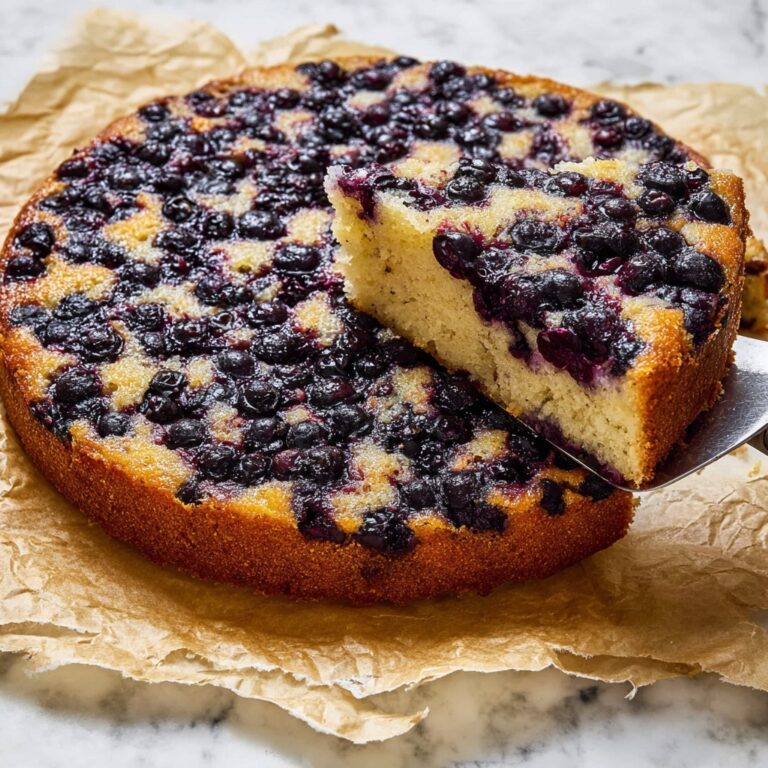
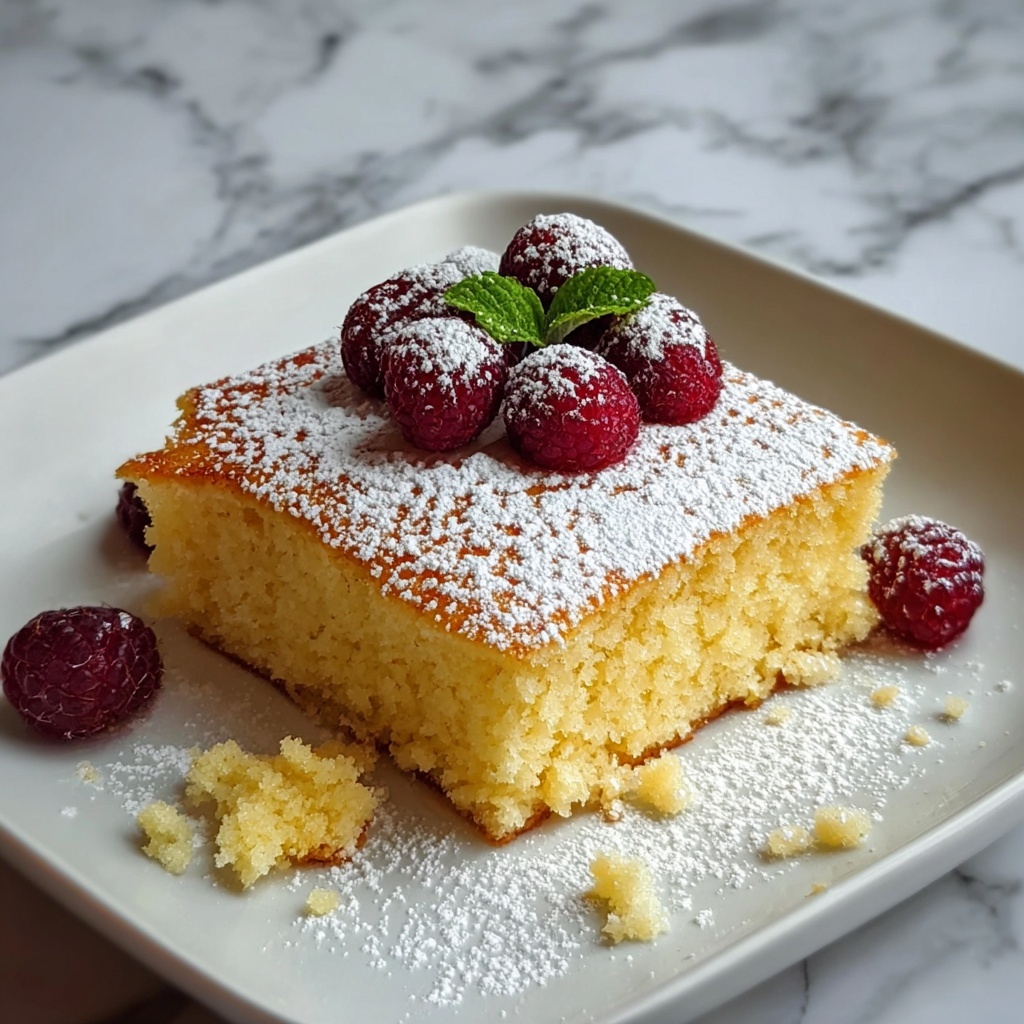
If you’re on the hunt for a timeless, utterly satisfying dessert, this Classic Butter Cake Recipe is your new best friend. It’s the perfect balance of rich, buttery flavor with a tender, moist crumb that melts in your mouth. Whether you’re baking for a special occasion or just want to enjoy a cozy afternoon treat, this cake’s simplicity and depth of flavor make it a true crowd-pleaser that everyone will adore.
Ingredients You’ll Need
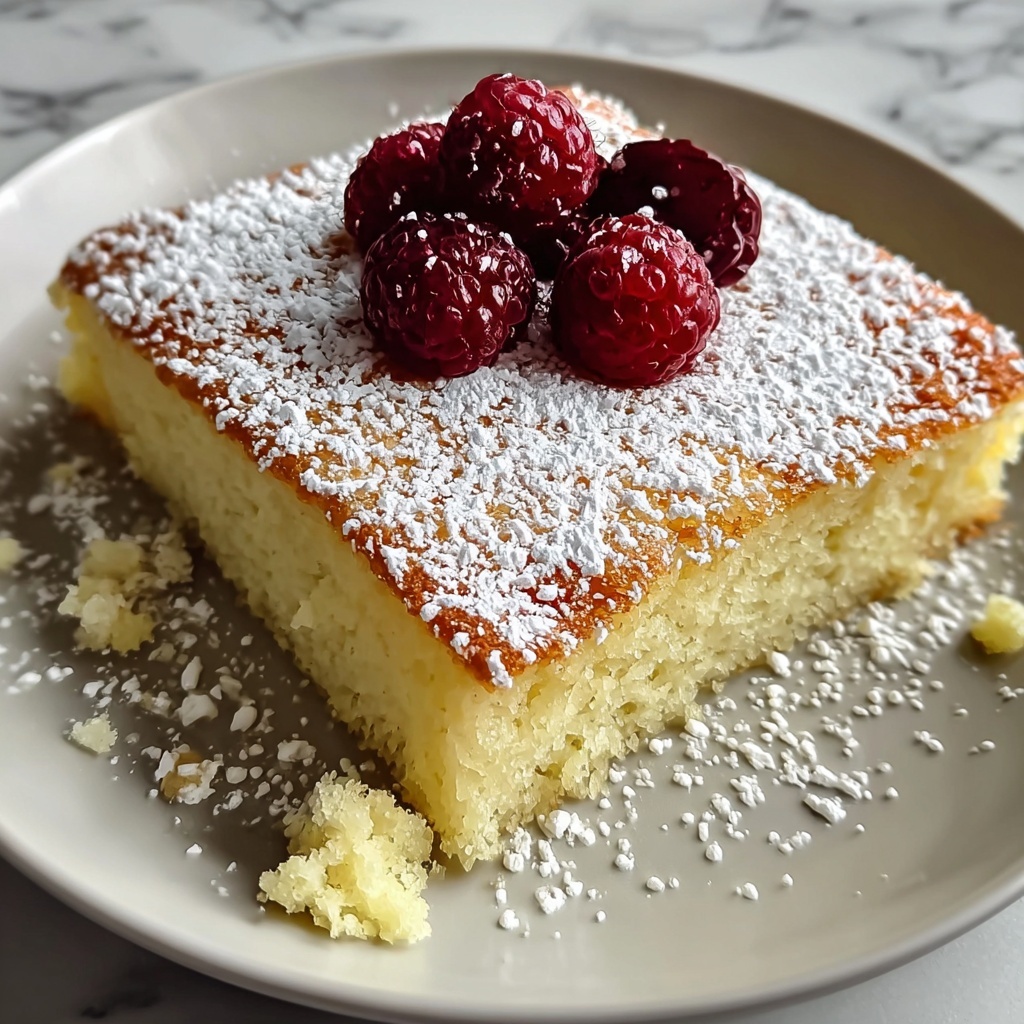
Gathering simple, wholesome ingredients is the secret to making this cake so irresistible. Each component plays a crucial role in crafting the perfect texture, flavor, and golden color that define the Classic Butter Cake Recipe.
- 1 cup unsalted butter: Butter adds rich flavor and moistness, plus it’s best to use unsalted so you control the saltiness.
- 1 1/2 cups granulated sugar: Sugar balances the butter’s richness and helps create that tender crumb.
- 3 large eggs: Eggs provide structure and richness, making the cake light yet substantial.
- 2 teaspoons vanilla extract: Vanilla brings out the sweetness and adds a comforting aroma.
- 2 1/2 cups all-purpose flour: This forms the cake’s foundation, giving it body and softness.
- 1 teaspoon baking powder: Leavens the cake so it rises beautifully without being too airy.
- 1/2 teaspoon salt: Salt enhances all the other flavors and balances the sweetness.
- 1 cup whole milk: Milk adds tenderness and moisture for a melt-in-your-mouth texture.
How to Make Classic Butter Cake Recipe
Step 1: Prepare Your Oven and Pan
Start by preheating your oven to 350°F (175°C). Greasing your 9×13-inch baking pan is essential, so the cake doesn’t stick. Butter or non-stick spray will do the trick, making sure every slice releases effortlessly.
Step 2: Cream the Butter and Sugar
Next, beat together the unsalted butter and granulated sugar until the mixture is light, fluffy, and pale. This step is where the magic begins—it incorporates air that gives the cake its gorgeous lift and soft crumb.
Step 3: Add the Eggs
Add the eggs one at a time, beating well after each addition. This ensures your batter stays smooth and fully blended, laying the foundation for a cake that’s perfectly tender and rich.
Step 4: Stir in Vanilla Extract
Pour in the vanilla extract and mix until it’s evenly incorporated. It’s amazing how something so simple can elevate the cake’s fragrance and flavor, making each bite feel like a warm hug.
Step 5: Combine Dry Ingredients Separately
In another bowl, sift together the flour, baking powder, and salt. Sifting helps avoid lumps and ensures your batter comes together silky smooth, which is key in the Classic Butter Cake Recipe.
Step 6: Alternate Adding Dry Ingredients and Milk
Gradually add the sifted dry ingredients to your butter mixture in three parts, alternating with whole milk, beginning and ending with the dry mix. Mix gently each time—overmixing can create a dense cake, and we certainly want the opposite!
Step 7: Blend to a Smooth Batter
Stop mixing as soon as the batter is smooth and uniform. This careful approach results in that irresistible tender crumb we all love.
Step 8: Pour and Level the Batter
Transfer your batter to the greased pan and spread it evenly with a spatula. Evenness ensures the cake bakes uniformly, avoiding any lopsided or undercooked spots.
Step 9: Bake to Perfection
Bake in the preheated oven for 35 to 40 minutes. To check doneness, poke the center with a toothpick—it should come out clean, letting you know the cake is perfectly baked.
Step 10: Cool the Cake
Let the cake cool in the pan for about 10 minutes to set nicely. Then, move it to a wire rack to cool completely. This cooling step is crucial to maintain the cake’s moist texture.
Step 11: Slice and Serve
Once cooled, cut the cake into squares or slices, and get ready to enjoy the fruits of your labor—a warm, buttery, classic cake that’s simply irresistible.
How to Serve Classic Butter Cake Recipe
Garnishes
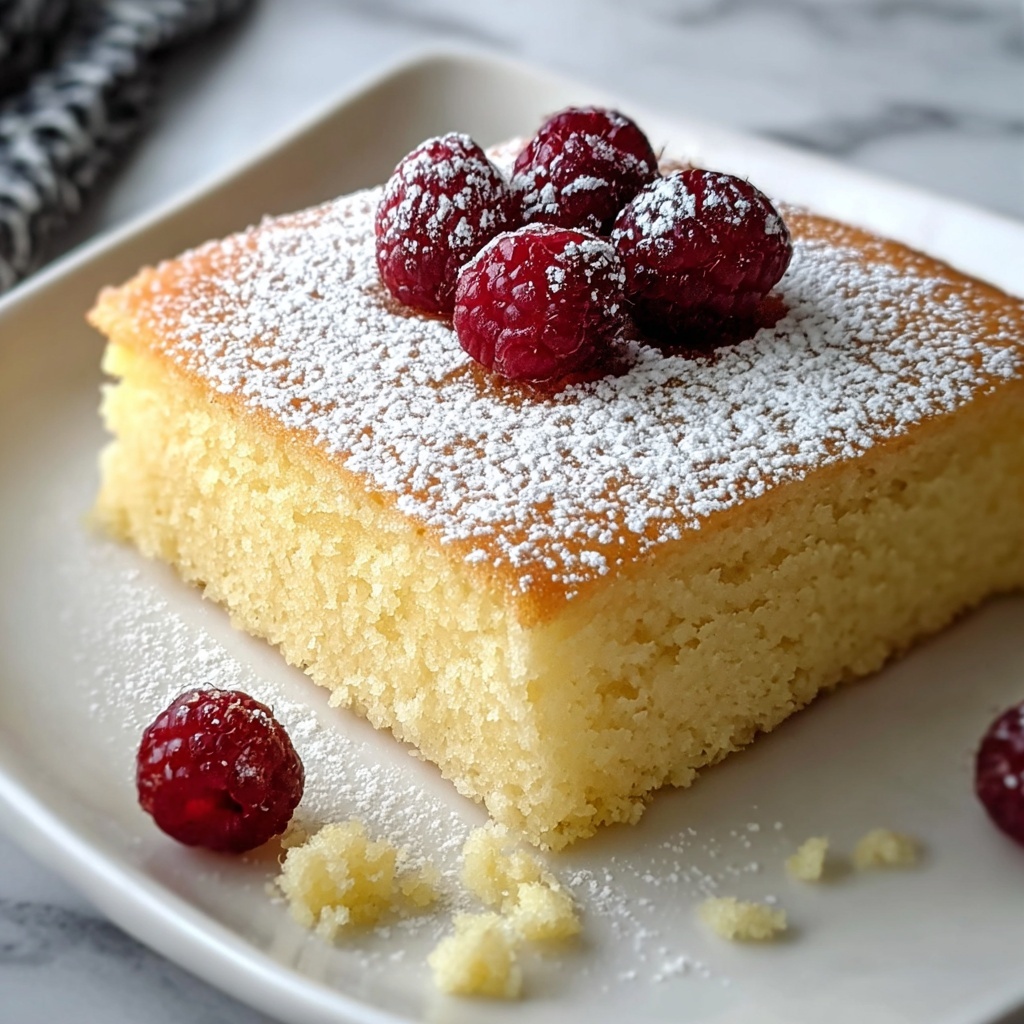
This cake shines beautifully on its own, but a light dusting of powdered sugar or a few fresh berries on top can add a lovely visual pop and a hit of brightness. Whipped cream or a drizzle of caramel sauce can also elevate it into a dessert that feels special yet familiar.
Side Dishes
Pairing your butter cake with a cup of tea, coffee, or even a scoop of vanilla ice cream creates an inviting tasting experience. Fresh fruit or a simple fruit compote balances the richness with a touch of tartness that complements every bite.
Creative Ways to Present
Serve your Classic Butter Cake Recipe warm with a dollop of mascarpone or spread a thin layer of homemade jam between layers if you decide to cut it horizontally. For an elegant touch, top with edible flowers or toasted nuts, turning a humble cake into a centerpiece-worthy delight.
Make Ahead and Storage
Storing Leftovers
Cover the cake tightly with plastic wrap or store it in an airtight container at room temperature. It stays fresh and moist for up to three days, making it perfect to bake ahead for gatherings or to enjoy a few days of treats.
Freezing
You can freeze the cake wrapped snugly in plastic wrap followed by aluminum foil, or place it in a freezer-safe container. Thaw it overnight in the fridge or at room temperature before serving, and you’ll barely notice it was frozen at all.
Reheating
To bring back that freshly baked feeling, warm individual slices in the microwave for 15-20 seconds or gently heat the cake in a preheated oven at 300°F for about 10 minutes. This refreshes the moisture and flavor—just like it came out of the oven moments before.
FAQs
Can I substitute the whole milk with another type of milk?
Absolutely! You can use buttermilk, almond milk, or even oat milk if you prefer. Just keep in mind that buttermilk will add a subtle tang and extra tenderness, while plant-based milks might slightly alter the flavor but still provide moisture.
Is it necessary to sift the dry ingredients?
While not mandatory, sifting helps to remove lumps and aerate the mixture, leading to a lighter, more even crumb. It’s an easy step that enhances the cake’s texture, especially in a recipe as classic and simple as this.
Can I make this cake gluten-free?
Yes, by swapping the all-purpose flour with a gluten-free flour blend, you can enjoy this cake gluten-free. Just ensure the blend contains xanthan gum or another binder to mimic gluten’s structure.
How do I know when the cake is fully baked?
The best test is to insert a toothpick or cake tester into the center. If it comes out clean or with just a few crumbs, the cake is done. If batter sticks, it needs a few more minutes in the oven.
Can I use salted butter instead of unsalted?
You can, but reduce the added salt in the recipe if you do. Unsalted butter is preferred to let you control the salt content and avoid the cake tasting overly salty.
Final Thoughts
There’s something incredibly comforting about baking this Classic Butter Cake Recipe. It’s a timeless go-to that delights with every bite, perfect for celebrations or simply treating yourself during an ordinary day. I can’t wait for you to try it and make it your own little piece of homemade happiness.
Print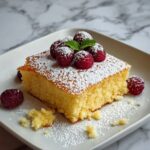
Classic Butter Cake Recipe
- Prep Time: 0h 15m
- Cook Time: 0h 45m
- Total Time: 1h 0m
- Yield: 12 servings
- Category: Dessert
- Method: Baking
- Cuisine: American
Description
This classic Butter Cake recipe offers a rich and moist texture with a delicate vanilla flavor. Made with simple pantry ingredients like butter, sugar, eggs, and flour, it is baked to golden perfection, making it an ideal dessert for any occasion or a delightful snack alongside tea or coffee.
Ingredients
Butter Cake Ingredients
- 1 cup unsalted butter
- 1 1/2 cups granulated sugar
- 3 large eggs
- 2 teaspoons vanilla extract
- 2 1/2 cups all-purpose flour
- 1 teaspoon baking powder
- 1/2 teaspoon salt
- 1 cup whole milk
Instructions
- Preheat Oven and Prepare Pan: Preheat your oven to 350°F (175°C) and grease a 9×13-inch baking pan thoroughly with butter or non-stick spray to prevent the cake from sticking.
- Cream Butter and Sugar: In a large mixing bowl, beat the unsalted butter and granulated sugar together using an electric mixer or whisk until the mixture is light, fluffy, and pale in color, ensuring a well-aerated base for the cake.
- Add Eggs: Add the eggs one at a time to the butter and sugar mixture, beating well after each addition to fully incorporate them and create a smooth batter.
- Add Vanilla Extract: Stir in the vanilla extract evenly to infuse the batter with a rich aroma and flavor.
- Sift Dry Ingredients: In a separate bowl, sift together the all-purpose flour, baking powder, and salt to remove lumps and ensure even distribution within the batter.
- Combine Wet and Dry Ingredients: Gradually add the dry ingredients to the wet mixture in three parts, alternating them with the whole milk, starting and ending with the dry ingredients. Stir gently until just combined to avoid overmixing and toughening the cake.
- Check Batter Consistency: Stop mixing once the batter is smooth and homogenous, ensuring perfect texture for baking.
- Pour Batter into Pan: Transfer the batter into the prepared baking pan, spreading it out evenly with a spatula for uniform baking.
- Bake the Cake: Place the pan in the preheated oven and bake for 35-40 minutes, or until a toothpick inserted into the center comes out clean, indicating the cake is fully baked.
- Cool the Cake: Remove the cake from the oven and let it cool in the pan for about 10 minutes to firm up, then transfer it to a wire rack to cool completely, preventing sogginess.
- Serve: Once cooled, cut the butter cake into squares or slices and enjoy as a delightful homemade treat.
Notes
- Ensure the butter is at room temperature for easier creaming with sugar.
- Do not overmix the batter once the flour is added to keep the cake tender.
- Use fresh eggs for best texture and flavor.
- The cake can be stored in an airtight container at room temperature for up to 3 days.
- Optional: Dust with powdered sugar or frost with your favorite icing for added sweetness.