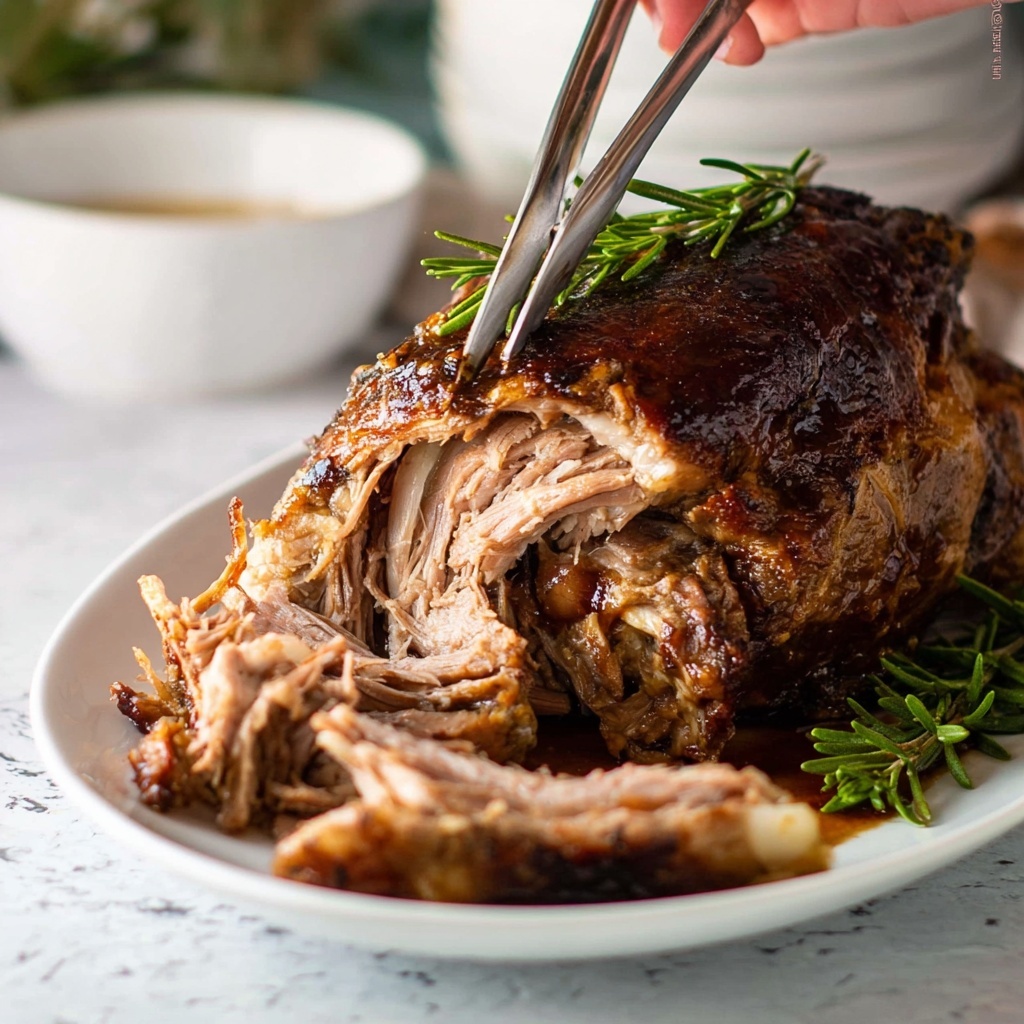
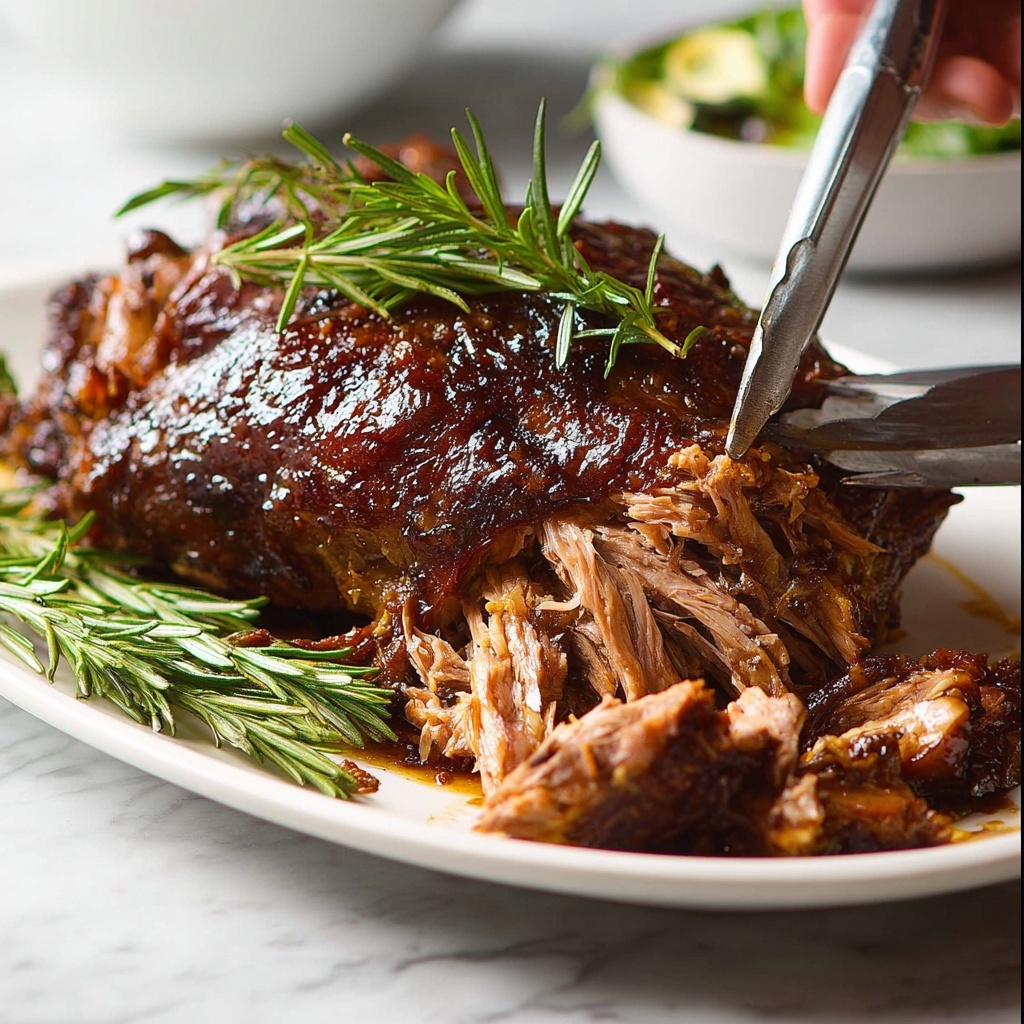
If there’s one dish that instantly promises a feast filled with comfort and rich flavors, it’s this Slow Roast Leg of Lamb Recipe. Tender beyond words, infused with the earthy aroma of rosemary and garlic, and boasting a crispy, caramelized crust, this recipe is a celebration of slow cooking done right. Every bite is a delicious reminder of how patience in the kitchen pays off with melt-in-your-mouth lamb that’s perfect for family dinners or special occasions. I’m so excited to share this with you because it really makes an ordinary meal feel truly extraordinary.
Ingredients You’ll Need
The magic behind this Slow Roast Leg of Lamb Recipe lies in its simplicity. Each ingredient plays a crucial role: the lamb provides rich, juicy meat, while the garlic and rosemary bring that quintessential flavor punch. Stock and water keep the meat moist, and a touch of flour helps create a luscious gravy to finish. Nothing complicated, just wonderful aromas and tastes coming together!
- Leg of lamb (2.25 kg / 4.5 lb, bone in): This cut offers a perfect balance of meat and fat for tender, flavorful results.
- Salt and pepper: Essential for seasoning and enhancing the natural lamb flavors.
- Olive oil (1.5 tbsp): Adds moisture and helps brown the meat beautifully.
- Whole garlic head (cut in half horizontally): Roasts alongside the lamb, infusing it with subtle, sweet garlic flavor.
- Onion (1, quartered, unpeeled): Adds a savory depth to the roasting pan juices.
- Rosemary sprigs (2–4): Choose fewer for a whisper of herbal aroma or more for a bolder impact.
- Beef stock/broth (3 cups, low sodium): Provides rich liquid for moist roasting and gravy base.
- Water (2 cups + 1 cup): Keeps meat tender and helps create the perfect gravy consistency.
- Flour (4 tbsp, white): Used to thicken the pan juices into a delicious gravy.
How to Make Slow Roast Leg of Lamb Recipe
Step 1: Prepare Your Oven and Pan
Start by preheating your oven to 170°C (335°F standard) or 150°C for fan ovens. Placing the garlic, onion, and rosemary in your roasting pan first creates a fragrant bed to cradle the lamb as it slow roasts.
Step 2: Season and Position the Lamb
Season your lamb leg generously with salt and pepper on all sides, rubbing it well into the meat. Lay the leg on top of the garlic and onion with the fat side up to ensure the juices trickle down during roasting. Then, flip it over so it mostly sits on the garlic and onion, seasoning and rubbing again. This double seasoning builds an irresistible crust and layered flavors.
Step 3: Add Liquids and Cover
Drizzle olive oil over the lamb, then pour the beef broth and water carefully around the meat — it doesn’t need to be submerged, just enough liquid to keep the environment moist. Seal everything tightly with foil, ensuring steam escapes slightly to gently braise the meat.
Step 4: Slow Roast the Lamb
Pop the covered pan into your preheated oven for 4.5 hours of patient roasting. This low and slow cooking tenderizes the meat thoroughly, infusing it with herbal and garlicky goodness from the bed it rests on.
Step 5: Flip and Assess Tenderness
After the initial roast, remove the foil and carefully turn the lamb over. Take a moment to test its tenderness — if the meat rips apart easily with a fork, you’re almost there; if not, just pop it back under foil to roast longer until perfectly tender.
Step 6: Crispen the Crust
Time for the show-stopping finish: roast the uncovered lamb for an additional 45 minutes. This gives you a gorgeously browned crust that adds texture and rich flavor to every bite.
Step 7: Resting the Lamb
Take your lamb out of the oven and spoon those gorgeous pan juices over it generously. Transfer to a platter and cover loosely with foil. Resting is critical to let the juices redistribute and keep the lamb moist and tender for 1 to 1.5 hours.
Step 8: Make the Gravy
Take the remaining pan juices and place the roasting pan on the stovetop. Stir in the flour and the extra cup of water to make a silky gravy that ties the whole dish together perfectly.
How to Serve Slow Roast Leg of Lamb Recipe
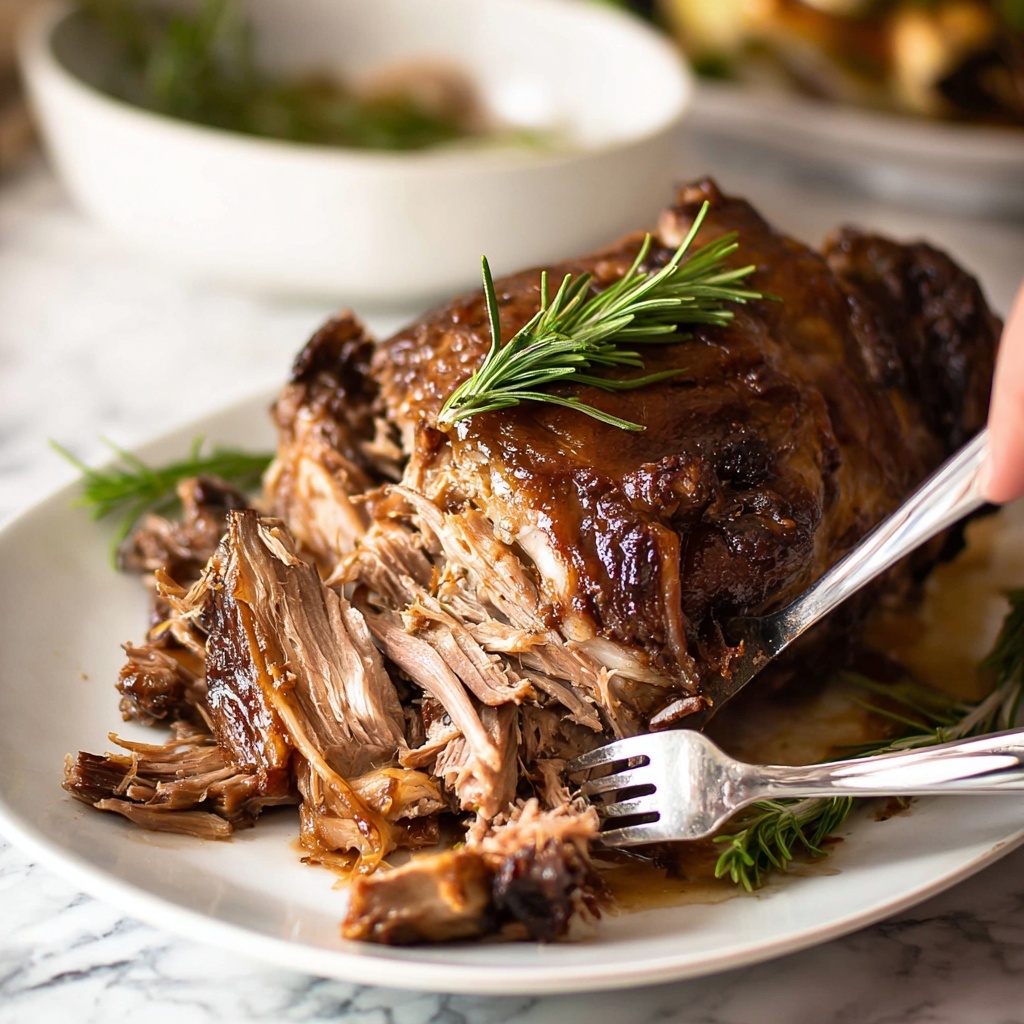
Garnishes
Fresh rosemary sprigs or a few cloves of roasted garlic make beautiful, fragrant garnishes that hint at the flavors inside the lamb. A sprinkle of flaky sea salt right before serving also adds a nice touch of texture.
Side Dishes
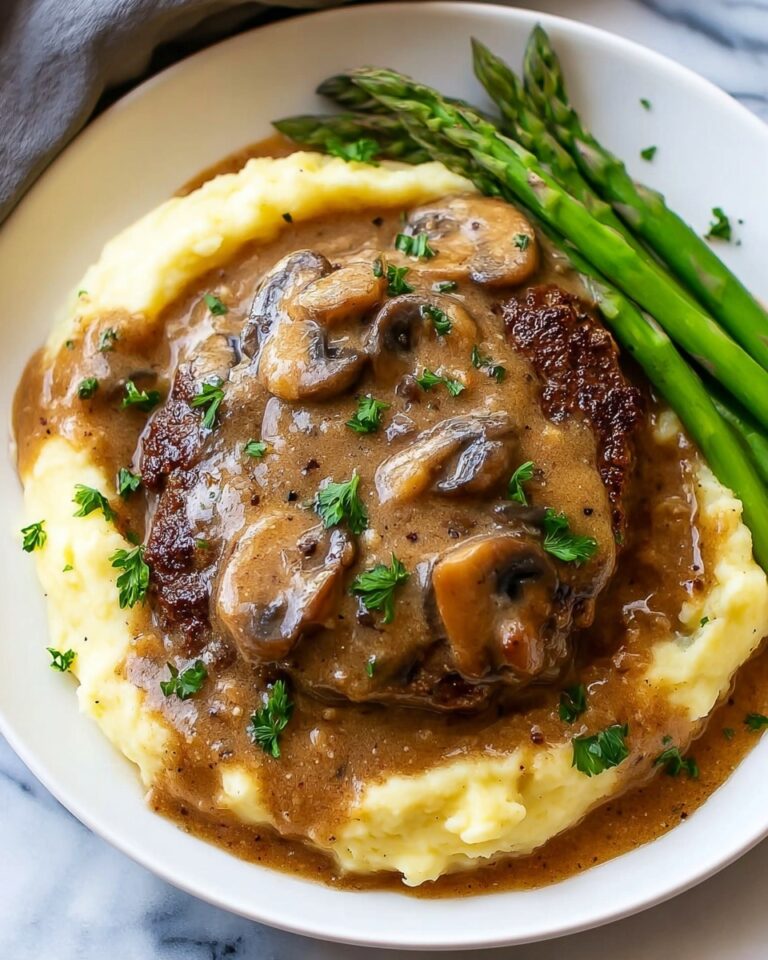
This lamb pairs beautifully with classic roasted root vegetables like carrots, parsnips, and potatoes. Creamy mashed potatoes or a bright, herby couscous work wonders too, balancing the richness of the meat. A crisp green salad with lemon vinaigrette adds a refreshing contrast.
Creative Ways to Present
For a stunning table centerpiece, slice the lamb thinly and arrange over a wooden carving board surrounded by roasted veggies and small bowls of gravy. Alternatively, serve lamb portions wrapped in warm flatbreads with minted yogurt and fresh cucumber for a modern take.
Make Ahead and Storage
Storing Leftovers
Once cooled, wrap leftover lamb tightly in foil or an airtight container and keep in the fridge. It will stay fresh and delicious for up to 3 days.
Freezing
If you want to save leftovers for longer, freeze sliced lamb in a freezer-safe bag. It’s best eaten within 2 months to retain its flavor and texture.
Reheating
Reheat gently in a low oven covered with foil or warm on the stovetop in a covered pan with a splash of water or stock to keep the meat moist. Avoid microwaving which can dry it out.
FAQs
Can I use boneless leg of lamb instead of bone-in?
Absolutely! Boneless lamb works fine though the bone adds extra flavor and helps retain moisture during cooking.
Should I marinate the lamb before slow roasting?
While not necessary, marinating with herbs, garlic, and olive oil a few hours before cooking can deepen flavor even more, but the slow roast method already infuses wonderful taste.
How do I know when the lamb is cooked perfectly?
The best test is fork tenderness—if the meat pulls apart easily and feels tender, it’s done. Slow roasting at low temperature ensures gentle cooking.
Can I roast the lamb at a higher temperature for less time?
Roasting at a higher heat can cook the lamb quicker but may sacrifice tenderness and juiciness. The slow roast method is the secret to melt-in-your-mouth results.
What can I use instead of beef stock?
Chicken stock, vegetable broth, or even water with a splash of soy sauce can substitute, but beef stock complements lamb best for rich flavor.
Final Thoughts
This Slow Roast Leg of Lamb Recipe truly embodies the joy of slow cooking—simple ingredients transformed into a dish that delights both in flavor and presentation. I hope you give this a try soon because nothing beats serving up a plate of lamb that’s tender, flavorful, and made with love. Trust me, once you taste this, it’ll become one of your favorite recipes to share with family and friends!
Print
Slow Roast Leg of Lamb Recipe
- Prep Time: 15 minutes
- Cook Time: 5 hours 15 minutes
- Total Time: 5 hours 30 minutes
- Yield: 8 servings
- Category: Main Course
- Method: Roasting
- Cuisine: Mediterranean
Description
This Slow Roast Leg of Lamb recipe features a tender, flavorful leg of lamb cooked slowly in the oven with garlic, onion, rosemary, and a rich beef broth base. The slow roasting method ensures the meat is succulent and falls off the bone, finished with a lovely browned crust and a delicious homemade gravy made from the pan juices. Perfect for a family dinner or special occasion, this dish pairs well with roasted vegetables or mashed potatoes.
Ingredients
Main Ingredients
- 2.25 kg / 4.5 lb leg of lamb, bone in (or shoulder)
- Salt and pepper
- 1.5 tbsp olive oil
- 1 whole garlic head, unpeeled, cut in half horizontally
- 1 onion, quartered (unpeeled is fine)
- 2 rosemary sprigs (use 4 for stronger flavor)
- 3 cups beef stock/broth, low sodium (or homemade)
- 2 cups water
For the Gravy
- 4 tbsp white flour
- 1 cup water
- Salt and pepper, to taste
Instructions
- Preheat Oven: Preheat your oven to 170°C (335°F) for a conventional oven or 150°C for a fan-forced oven.
- Prepare Aromatics: Place the cut garlic halves, quartered onion, and rosemary sprigs into a metal roasting pan as a bed for the lamb.
- Season Lamb – Side One: Place the leg of lamb in the pan, right side up. Sprinkle generously with salt and pepper, rubbing the seasoning thoroughly into the meat.
- Season Lamb – Side Two: Turn the lamb over so it rests mostly on the garlic and onion. Season the other side with salt and pepper and rub it in well.
- Add Liquids and Cover: Drizzle olive oil over the lamb. Pour the beef broth and water around the lamb in the pan, but do not cover the meat. Cover the pan loosely with foil to allow some steam to escape during cooking.
- Slow Roast: Place the covered pan in the oven and roast the lamb for approximately 4.5 hours, until the meat is very tender and can be easily pulled apart with a fork.
- Check Tenderness: Remove the pan from the oven and take off the foil. Turn the lamb over and check if the meat is tender enough to pry with a fork. If not tender, cover and return it to the oven to continue cooking.
- Brown the Lamb: Once tender, roast the lamb uncovered in the oven for another 45 minutes, or until the surface is well browned and caramelized.
- Rest the Lamb: Remove the lamb from the oven and spoon the pan juices over it generously. Transfer the lamb to a serving platter and cover loosely with foil. Let it rest, keeping warm for up to 1 to 1.5 hours while you prepare the gravy.
- Make the Gravy: Skim off any fat from the pan juices if necessary. Place the roasting pan juices on the stovetop over medium heat. In a separate bowl, mix the white flour with 1 cup of water to create a smooth slurry. Gradually whisk this slurry into the pan juices to thicken the gravy. Season with salt and pepper to taste. Cook until the gravy reaches your desired consistency.
- Serve: Slice the lamb and serve with the hot gravy poured over the top, alongside your favorite sides such as roasted vegetables or mashed potatoes.
Notes
- Note 1: You can also use lamb shoulder instead of a leg for this recipe.
- Note 2: The lamb should mostly sit on the garlic and onions when turned over for even flavor distribution.
- Slow roasting at a low temperature ensures the meat remains juicy and tender while developing deep flavors.
- Use low sodium broth to control salt levels in the final dish.
- Allow the lamb to rest after roasting to redistribute juices and keep it moist.
- If the lamb is not tender after 4.5 hours, continue roasting covered until it reaches desired tenderness.