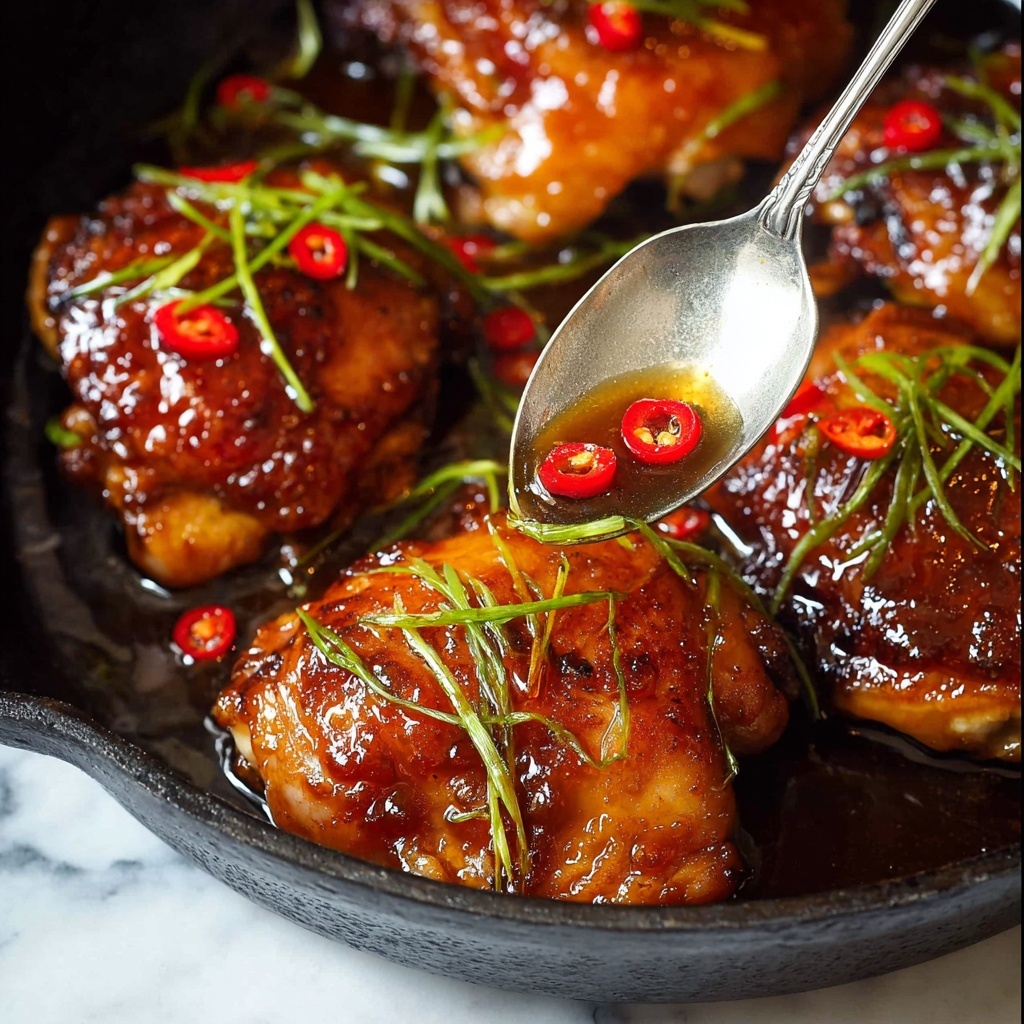
If you’re craving a dish that bursts with flavor and wraps you in cozy, tropical comfort, then this Vietnamese Coconut Caramel Chicken Recipe is your new best friend in the kitchen. Imagine tender chicken thighs simmered in a luscious caramelized sauce made from rich coconut milk and fragrant fish sauce, all balanced by a hint of brightness from rice vinegar and a gentle kick from chili. This dish is the perfect harmony of sweet, salty, and savory, and it transforms everyday ingredients into something magical that will have you savoring every bite. Let me show you how to bring this irresistible meal to your table with ease and joy.
Ingredients You’ll Need
This Vietnamese Coconut Caramel Chicken Recipe shines because of its simple, thoughtfully chosen ingredients. Each component plays a crucial role in building layers of flavor and that irresistible texture that makes this dish so memorable.
- Chicken thighs: Bone-in and skin-on for maximum flavor and moisture retention.
- Brown sugar: Provides the deep caramel sweetness that forms the base of the sauce.
- Water: Helps dissolve the sugar and create the perfect caramel consistency.
- Coconut milk: Adds creaminess and tropical richness without overwhelming the palate.
- Fish sauce: Essential for authentic umami and that distinctive Vietnamese touch.
- Rice vinegar: Balances the sweetness with a gentle acidity that brightens the dish.
- Garlic: Minced for punchy aroma and depth.
- Eschallot / French onion: Thinly sliced for a delicate but flavorful base.
- White pepper: A subtle heat that doesn’t overpower.
- Shallot: Thinly sliced for garnishing, giving freshness and crunch.
- Red chili: Finely sliced to add just the right amount of spice and color.
How to Make Vietnamese Coconut Caramel Chicken Recipe
Step 1: Create the caramel base
Start by placing the brown sugar and water in a skillet over medium heat. Stir gently until the sugar melts and bubbles, transforming into a golden caramel. This caramel is the heart of the dish, infusing every bite with that signature sweet depth. Once your caramel is ready, add in the coconut milk, fish sauce, rice vinegar, garlic, eschallot, and white pepper—all but the chicken—stirring to combine the flavors beautifully.
Step 2: Add the chicken
Nestle the chicken thighs into the skillet with the skin side down. This ensures that the skin crisps up beautifully and absorbs those wonderful caramel notes. It’s key to keep the heat just right so the sauce simmers energetically—neither boiling too fiercely nor barely bubbling.
Step 3: Simmer to tender perfection
For about 25 minutes, let the chicken slowly cook in the rich sauce. Then, turn each piece over to let the other side soak up all those layers of flavor. The sauce will gradually thicken and the fat will begin to separate, turning a lovely pale brown color.
Step 4: Crisp the skin and finish the sauce
Flip the chicken again so the skin side is down, moving it around carefully to prevent the sauce from sticking too much to the pan. This step is crucial as it browns the skin to perfection, giving you that addictive crispness that contrasts so well with the tender meat.
Step 5: Plate and garnish
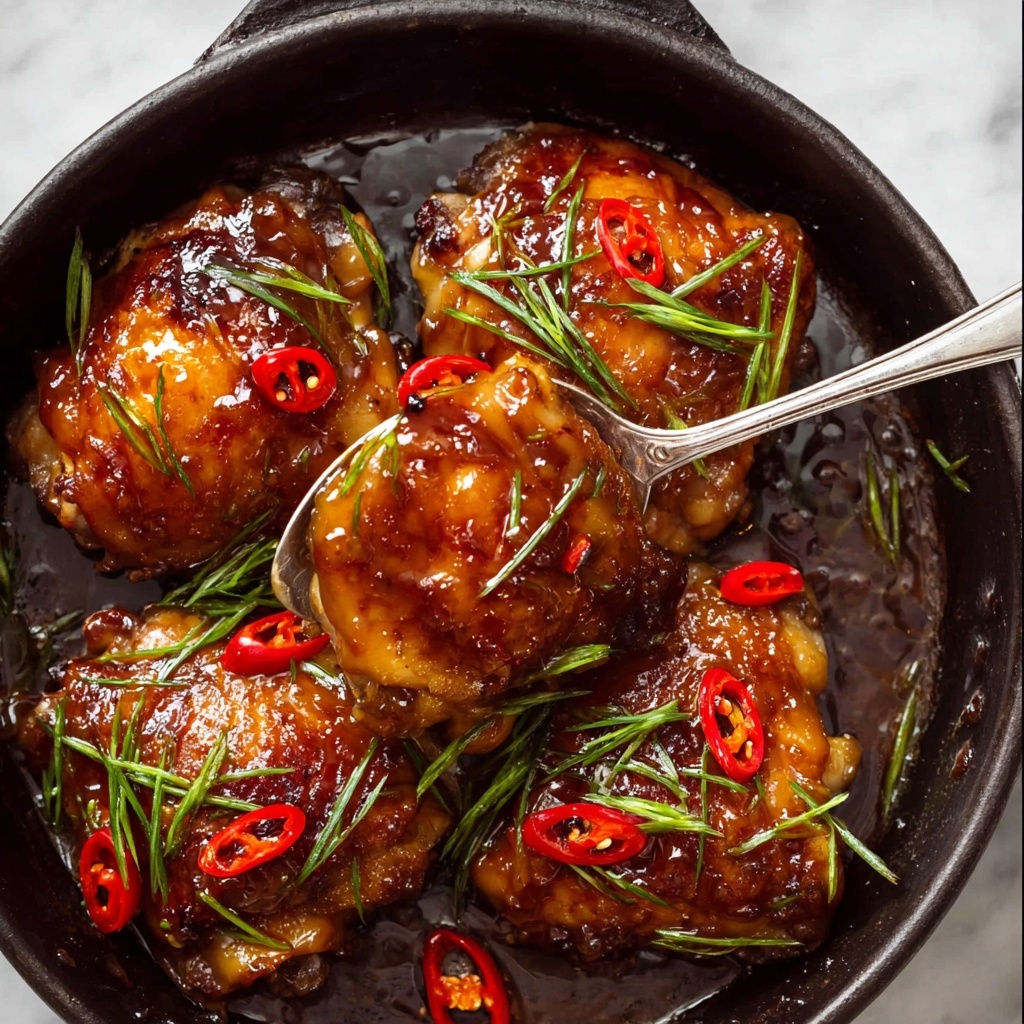
Once the sauce and the skin achieve a gorgeous brown hue, remove the chicken from heat. Place the thighs on serving plates and spoon a little of the rich sauce over the top. Finally, sprinkle with finely sliced shallots and red chili for a pop of freshness and spice, enhancing every mouthful remarkably.
How to Serve Vietnamese Coconut Caramel Chicken Recipe
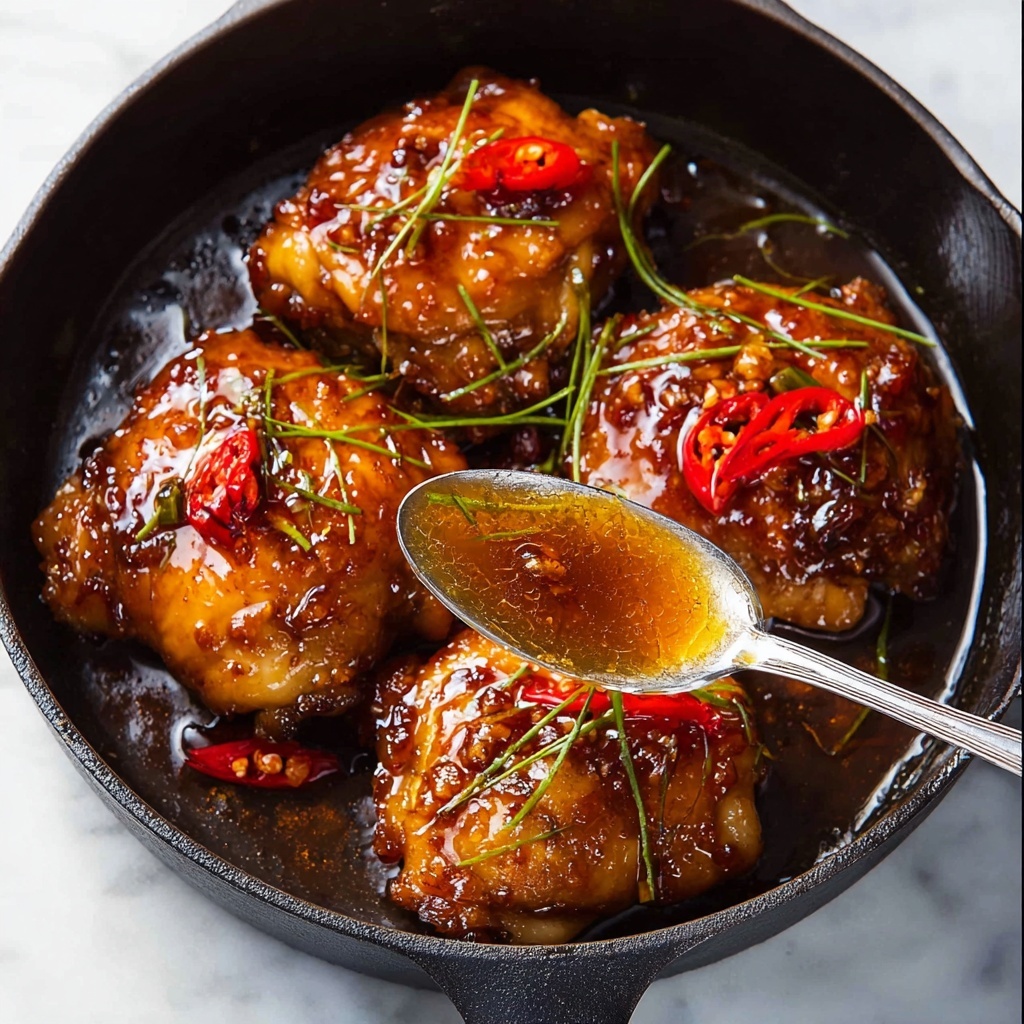
Garnishes
The simple addition of thinly sliced shallots and fresh red chili not only brightens the dish visually but also adds a crunchy texture and subtle heat that cuts through the rich caramel sauce beautifully. These garnishes elevate the presentation and flavor, making each plate feel special.
Side Dishes
This recipe pairs perfectly with steamed jasmine or sticky rice. The rice helps soak up the luscious sauce, making sure none of those incredible flavors go to waste. For a veggie boost, consider serving with lightly sautéed bok choy or fresh cucumber slices to add a refreshing contrast.
Creative Ways to Present
For a festive touch, try serving the chicken on a large platter garnished with fresh herbs like cilantro or Thai basil. You could also arrange lime wedges around the dish to offer a squeeze of brightness. Alternatively, serve it family-style and watch it disappear as everyone digs in, savoring the wonderful balance of sweet, salty, and spicy flavors.
Make Ahead and Storage
Storing Leftovers
Vietnamese Coconut Caramel Chicken Recipe leftovers are just as delightful the next day. Store the chicken and sauce in an airtight container in the refrigerator for up to 3 days. The flavors actually deepen with time, making your next meal even more sumptuous.
Freezing
If you want to keep this dish longer, it freezes well. Place cooled chicken and sauce in a freezer-safe container and freeze for up to 2 months. When you’re ready to enjoy, thaw overnight in the fridge before reheating gently on the stovetop.
Reheating
Reheat the chicken slowly over low to medium heat to avoid drying out the meat or burning the sauce. Add a splash of water or coconut milk if the sauce has thickened too much. This careful reheating helps maintain that rich, silky texture and keeps the chicken tender.
FAQs
Can I use chicken breasts instead of thighs?
While chicken breasts can be used, bone-in skin-on thighs are best for this recipe as they stay juicier and better absorb the caramel coconut sauce. Breasts tend to dry out during the long simmer.
Is it possible to make this recipe without fish sauce?
Fish sauce adds essential umami and saltiness, but you can substitute it with soy sauce for a different but still tasty flavor. Just keep in mind it won’t have exactly the same depth.
What if I don’t have eschallots or French onions?
You can substitute with shallots or even mild red onions thinly sliced, though eschallots add a subtle sharpness that enhances the dish’s complexity.
How spicy is this dish?
The heat comes mainly from the fresh red chili garnish, so you can adjust the amount or omit it entirely for a milder version without losing the core flavors of the Vietnamese Coconut Caramel Chicken Recipe.
Can this be made in a slow cooker?
While the recipe is designed for stovetop cooking, you can adapt it for a slow cooker by caramelizing the sugar and sautéing aromatics first, then adding the chicken and liquids to cook on low for 4-5 hours. Just be sure to finish by crisping the skin under the broiler.
Final Thoughts
There’s something truly special about the Vietnamese Coconut Caramel Chicken Recipe that makes it worth trying again and again. It’s a celebration of bold, balanced flavors wrapped up in tender, juicy chicken that feels like a warm hug on a plate. Once you’ve made it, you’ll understand why it becomes a favorite for good reason—it’s simply unforgettable. So gather your ingredients, invite some loved ones, and enjoy this delicious journey into Vietnamese comfort food magic.
Print
Vietnamese Coconut Caramel Chicken Recipe
- Prep Time: 5 minutes
- Cook Time: 55 minutes
- Total Time: 1 hour
- Yield: 4 to 5 servings
- Category: Main Dish
- Method: Stovetop
- Cuisine: Vietnamese
Description
This Vietnamese Coconut Caramel Chicken recipe features tender, bone-in, skin-on chicken thighs simmered in a luscious caramelized brown sugar and coconut milk sauce, enhanced with savory fish sauce, fragrant garlic, and a hint of vinegar. The dish is finished with fresh shallots and red chili for a perfect balance of sweet, salty, and spicy flavors, typical of Vietnamese home-style cooking. It’s served with rice, making it a comforting and flavorful meal for 4 to 5 people.
Ingredients
Chicken
- 4 large or 5 small chicken thighs, bone-in, skin-on
Sauce
- 1/2 cup (80 g) brown sugar, loosely packed
- 1 tbsp water
- 400 g (14 oz) low-fat coconut milk (1 can)
- 1 1/2 tbsp fish sauce
- 2 1/2 tbsp rice vinegar (or cider vinegar)
- 2 garlic cloves, minced
- 1 eschallot (French onion), finely sliced
- 1/4 tsp white pepper (or black pepper)
Garnish
- 1 shallot, finely sliced (green onion or scallion can be used)
- 1 large red chili, finely sliced
Instructions
- Make caramel sauce: Place the brown sugar and water in a skillet over medium heat. Stir continuously until the sugar melts and bubbles, turning into a caramel-like syrup.
- Add ingredients except chicken: Once the caramel forms, add the coconut milk, fish sauce, rice vinegar, minced garlic, finely sliced eschallot, and white pepper. Stir to combine.
- Add chicken skin side down: Place the chicken thighs into the skillet with the skin side down, ensuring they are evenly positioned in the sauce.
- Simmer energetically: Adjust the heat to maintain a steady simmer—medium-high on weaker stoves or medium on stronger stoves. Avoid rapid boiling or slow simmering.
- Turn chicken after 25 minutes: After half the cooking time, carefully flip the chicken thighs to ensure even cooking.
- Continue simmering until sauce changes: After an additional 25 minutes, the sauce’s fat will separate and turn pale brown, indicating deep caramelization and flavor development.
- Brown the skin: Turn the chicken thighs skin side down again and gently move them around in the skillet to prevent burning while browning the skin and thickening the sauce.
- Remove from heat: Once the sauce and chicken skin are nicely browned and flavorful, take the skillet off the heat.
- Serve: Transfer chicken thighs to serving plates, spoon a small amount of the caramel sauce over them (the chicken is already infused with flavor, so use sparingly).
- Garnish: Sprinkle the finely sliced shallots and red chili on top. Serve immediately with steamed rice for a complete meal.
Notes
- Use bone-in, skin-on chicken thighs for best flavor and texture.
- Low-fat coconut milk is preferred to avoid overly rich or greasy sauce.
- Rice vinegar balances the sweetness of the caramel; cider vinegar can be used as a substitute.
- French onion or eschallot provides a mild onion flavor that complements the sauce.
- Adjust chili quantity to preferred heat level.
- Maintaining the right simmer temperature is crucial to avoid burning or undercooking.
- The fat will separate and the sauce will thicken as it cooks; this is a key indicator that it’s ready.